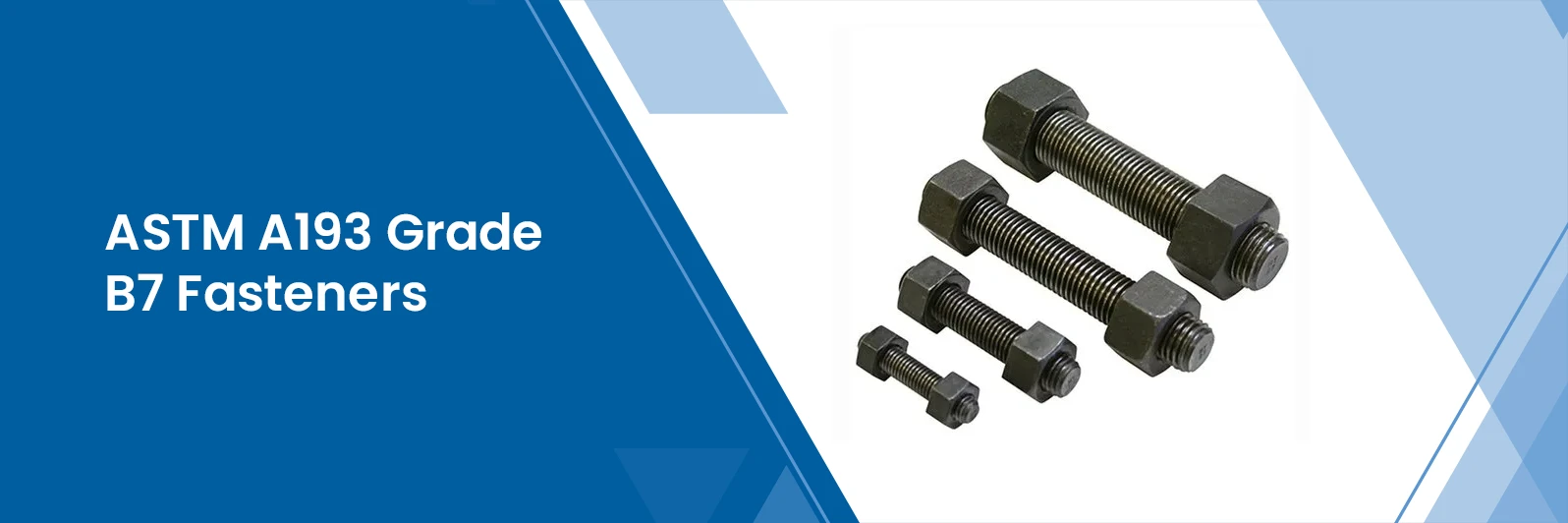
In the piping system of refineries, pressure cylinders, valves and flanges operating under high pressure, one of the most widely used types of steel bolts in the field of high pressure steel bolts is SAE A193 Grade B7 steel alloy. The Grade B7 steel is made from chrome-molybdenum and is quenched and hardened. The specifications of the bolts depend on the diameter of the bolts.
Unifit Fastener manufactures and supplies ASTM A193 Grade B7 bolts, stud bolts and threaded bolting in India for refinery, petrochemical, power and process projects. Requirements can be supplied in metric or imperial dimensions with the thread form, finish, matching nuts and inspection documents defined by the project. For the wider grade family, see ASTM A193 grades and specifications. For the broader product and material range, see our industrial fasteners page.
Request QuoteSend Your Enquiry
Technical Data
ASTM A193 Grade B7 - Specifications
|
Item |
B7 reference |
Procurement note |
|---|---|---|
|
Specification |
ASTM A193/A193M |
Alloy-steel and stainless-steel bolting for high-temperature/high-pressure and special-purpose service |
|
Grade |
B7 |
Chromium-molybdenum alloy steel |
|
Heat treatment |
Quenched and tempered |
Minimum tempering temperature 1100°F / 593°C for the B7 size ranges shown below |
|
Common product forms |
Stud bolts, threaded studs/rods, heavy hex/hex bolts |
Final form and dimensions must be specified separately |
|
Common matching nut |
ASTM A194 Grade 2H |
Common B7 flange-bolting pairing where specified by the project |
|
Typical threads |
UNC / UNF / metric |
Specify pitch/TPI and thread class/fit on RFQ |
|
Available finishes |
Plain and project-approved coated finishes |
Coating affects friction and tightening procedure |
|
Technical basis |
ASTM A193/A193M-25 or project-specified edition |
Purchase order/project code controls |
Where Grade B7 Fits - and When Another Grade May Be Required
A Grade B7 callout should come from the design or project specification, not simply from the words “high temperature” or “high strength.” B7 is a common Cr-Mo choice for flange and pressure-service bolting, but the service environment can shift the material decision.
|
Grade / family |
When it enters the selection discussion |
Route to |
|---|---|---|
|
B7 |
General high-strength Cr-Mo A193 bolting for pressure and elevated-temperature service where B7 is specified |
This page |
|
B7M |
Where a lower hardness condition is required, including certain sour-service applications subject to the governing NACE/project requirements |
https://unifitfastener.com/astm-a193-gr-b7m-fasteners.html |
|
B16 |
Where the project calls for Cr-Mo-V bolting for more demanding elevated-temperature service |
https://unifitfastener.com/astm-a193-gr-b16-fasteners.html |
|
B8 / B8M |
Where austenitic stainless chemistry and corrosion resistance are primary design requirements |
https://unifitfastener.com/astm-a193-grade-b8m-fasteners.html |
|
ASTM A320 L7 |
Where low-temperature bolting requirements govern |
https://unifitfastener.com/astm-a320-gr-l7-fasteners.html |
Use the ASTM A193 specification hub when the grade itself has not yet been finalized.
ASTM A193 B7 Bolts, Stud Bolts and Threaded Products
The B7 grade controls the bolting material and mechanical requirements; the purchase order still needs to identify the actual product form, dimensions and thread. For process and flange work, the most relevant B7 forms are:
|
Product form |
Typical use |
RFQ details |
|---|---|---|
|
B7 stud bolts |
Flange joints, valves, pressure vessels and process equipment |
Full thread, double-end or project-specified configuration; diameter, length, thread and nut count |
|
B7 heavy hex / hex bolts |
Headed bolting where the equipment or project calls for a bolt rather than a stud |
Diameter, grip/length, head standard, thread series and finish |
|
B7 threaded studs / rods |
Maintenance, equipment and custom-length threaded bolting |
Diameter, overall length, thread form and end configuration |
|
Drawing-based B7 bolting |
Non-standard headed bolts or studs manufactured to a controlled drawing |
Latest drawing revision, critical dimensions, tolerances, marking and inspection plan |
For general product-form information, see stud bolts and industrial bolts. For the parent material family, see alloy steel fasteners.
ASTM A193 Grade B7 Chemical Composition
Grade B7 uses controlled chromium-molybdenum alloy-steel chemistry. The table below reflects the B7 limits published across established A193 technical references. The project-specified ASTM A193/A193M edition remains the final procurement basis.
|
Element |
Minimum % |
Maximum % |
|---|---|---|
|
Carbon (C) |
0.37 |
0.49 |
|
Manganese (Mn) |
0.65 |
1.10 |
|
Phosphorus (P) |
- |
0.035 |
|
Sulfur (S) |
- |
0.040 |
|
Silicon (Si) |
0.15 |
0.35 |
|
Chromium (Cr) |
0.75 |
1.20 |
|
Molybdenum (Mo) |
0.15 |
0.25 |
For procurement, chemistry alone is not enough: the finished bolting must also comply with the required heat treatment, mechanical properties, hardness, dimensions, marking and testing/documentation requirements.
Heat Treatment and Mechanical Properties of ASTM A193 B7
B7 bolting is quenched and tempered. Its minimum tensile and yield requirements reduce as diameter increases, which is why a single “125 ksi B7” statement should not be applied to every size. The current B7 requirement set commonly used for inch-series bolting is summarized below.
|
Diameter |
Min tempering |
Min tensile |
Min yield |
Elong. % |
RA % |
Hardness |
|---|---|---|---|---|---|---|
|
Up to 2-1/2 in |
1100°F / 593°C |
125 ksi / 860 MPa |
105 ksi / 720 MPa |
16 |
50 |
321 HBW / 35 HRC max |
|
Over 2-1/2 to 4 in |
1100°F / 593°C |
115 ksi / ~795 MPa |
95 ksi / 655 MPa |
16 |
50 |
321 HBW / 35 HRC max |
|
Over 4 to 7 in |
1100°F / 593°C |
100 ksi / 690 MPa |
75 ksi / 515 MPa |
18 |
50 |
321 HBW / 35 HRC max |
|
TECHNICAL CONTROL |
B7 Stud Bolts with ASTM A194 Grade 2H Nuts
A common refinery/process flange assembly uses ASTM A193 Grade B7 stud bolting with ASTM A194 Grade 2H heavy hex nuts. The important point is that the nut is not an “A193 B7 nut”: ASTM A193 covers the bolting material, while the matching nut is specified separately. The complete joint should be reviewed as a system.
|
Assembly item |
Reference |
Procurement note |
|---|---|---|
|
Bolting |
ASTM A193 Grade B7 |
Stud bolt or headed bolt |
|
Nut |
ASTM A194 Grade 2H |
Common matching heavy-hex nut where specified |
|
Thread |
ASME B1.1 / B1.13M or project-specified thread standard |
Define UNC/UNF/metric, pitch/TPI and class/fit |
|
Dimensions |
Applicable ASME / ISO / DIN / project drawing |
Material grade does not replace dimensional standard |
|
Marking / traceability |
Grade + manufacturer identification / heat traceability as applicable |
Match documentation to heat/lot |
For the nut specification family, see ASTM A194.
B7 Coatings and the Torque-Tension Relationship
B7 fasteners may be supplied plain or with a project-approved coating. The finish changes more than appearance: thread friction changes the torque required to reach a given bolt preload. For that reason, a generic “B7 torque chart” is not reliable unless the lubrication/coating condition, thread, nut, target preload and calculation basis are defined.
|
Finish |
Where considered |
Engineering note |
|---|---|---|
|
Plain / black |
Protected service or where the project accepts uncoated B7 |
Corrosion protection is limited; storage/service environment matters |
|
Hot-dip galvanized / zinc system |
Where permitted by the project specification |
Confirm coating process, fit allowance and suitability for the bolting application |
|
PTFE / fluoropolymer |
Refinery/chemical bolting where a low-friction corrosion-protection system is specified |
Use approved friction coefficient/tightening procedure |
|
Xylan / fluoropolymer system |
Valve/flange/process bolting where specified |
Coating code and assembly procedure must match |
Related pages: PTFE / Teflon coated fasteners | Xylan coated fasteners | fastener coatings guide
Quality, Traceability and Project Documentation
For B7 bolting used on critical joints, the purchase order should define the inspection and document package before production or dispatch. Unifit operates under an ISO 9001:2015 quality-management framework on its website; project-specific documentation should be confirmed at quotation stage.
- Material / heat traceability linked to the supplied MTC or test report.
- Chemical and mechanical results for the ordered B7 heat/lot.
- Hardness verification against the B7 requirement.
- Dimensional and thread inspection against the purchase standard or drawing.
- Coating/finish documentation where a controlled friction or corrosion-protection system is specified.
- EN 10204 3.1 MTC, PMI or third-party inspection where requested and confirmed in the quotation.
|
E-E-A-T MODULE TO PUBLISH |
ASTM A193 B7 vs B7M vs B16 - Practical Selection Difference
|
Grade |
Material / condition |
Why a project may specify it |
More detail |
|---|---|---|---|
|
B7 |
Cr-Mo alloy steel; quenched and tempered |
General A193 high-strength bolting for pressure/elevated-temperature service where B7 is specified |
This page |
|
B7M |
Cr-Mo, lower controlled hardness |
Certain sour-service / controlled-hardness requirements subject to the governing project/NACE rules |
B7M page |
|
B16 |
Cr-Mo-V alloy steel |
More demanding elevated-temperature service where the project specifically calls for B16 |
B16 page |
Read more: ASTM A193 Grade B7M fasteners | ASTM A193 Grade B16 fasteners | ASTM A193 B7 vs B8 vs B8M fasteners
ASTM A193 Grade B7 RFQ Checklist
A complete B7 enquiry should identify the joint requirement, not just the grade name. Include:
|
RFQ field |
What to send |
|---|---|
|
Product form |
Stud bolt, headed bolt, threaded stud/rod or drawing-based item |
|
ASTM grade / edition |
Grade B7 and project-specified ASTM A193/A193M revision |
|
Size |
Diameter and overall length / grip |
|
Thread |
UNC/UNF/metric, pitch/TPI, class/fit, full/partial thread |
|
Dimension standard |
Applicable ASME/ISO/DIN standard or drawing |
|
Matching components |
A194 nut grade, washers and quantity per assembly |
|
Finish / coating |
Plain / HDG / zinc / PTFE / Xylan or project-approved system |
|
Quantity / delivery |
Total quantity, destination and required date |
|
Inspection / documents |
MTC, PMI, hardness, TPI, marking and any project-specific documentation |
For bulk threaded-product weight reference, link to the threaded rod weight chart rather than repeating a long weight table on this page.
Types of ASTM A193 Grade B7 Fasteners
It is helpful to understand the different types of ASTM A193 Grade B7 fasteners available to match them accurately with project requirements. Knowing the variety supports efficient procurement decisions.
ASTM A193 B7 Bolts
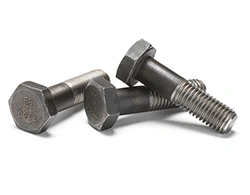
ASTM A193 B7 Structural Bolts
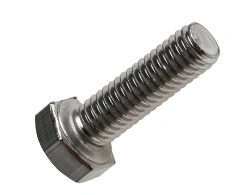
ASTM A193 B7 Heavy Hex Bolts
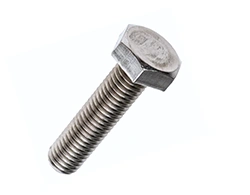
ASTM A193 B7 Hex Bolts
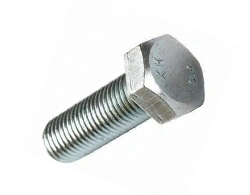
ASTM A193 B7 Hexagon Head Bolts
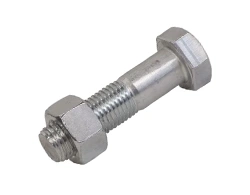
SA 193 B7 Machine Bolts
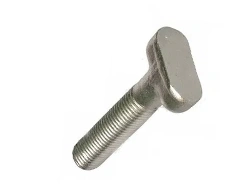
ASTM A193 Grade B7 T Bolts
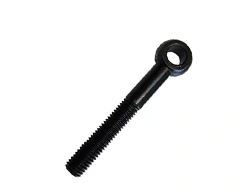
ASTM A193 Gr. B7 Eye Bolt
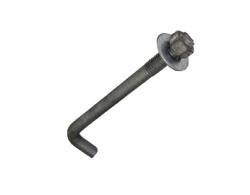
SA 193 B7 Foundation Bolts
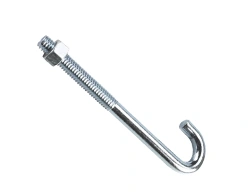
Alloy Steel A193 Gr B7 J Bolts
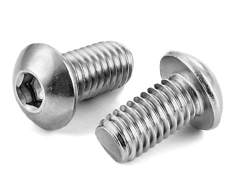
ASTM A193 B7 Button Head Bolt

SA 193 B7 Anchor Bolts
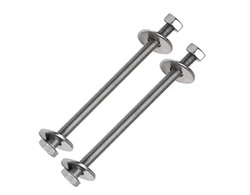
ASTM A193 B7 Long Bolts
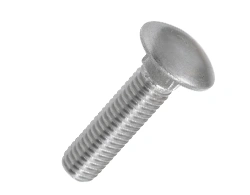
ASTM A193 B7 Carriage Bolt
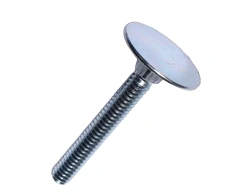
ASTM A193 B7 Elevator Bolt
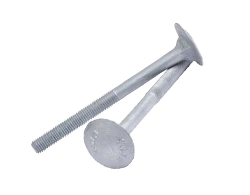
ASTM A193 B7 Timber Bolts
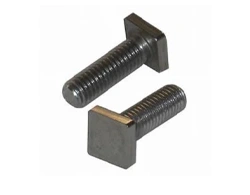
SA 193 B7 Square Bolt
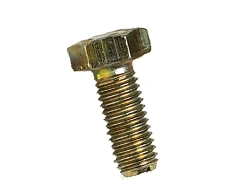
ASTM A193 B7 Metric Bolt
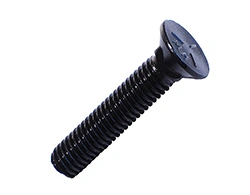
ASTM A193 B7 Plow Bolts
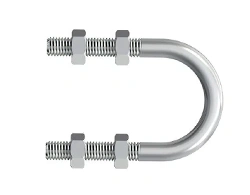
Alloy Steel Gr. B7 U Bolts
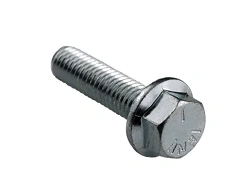
ASTM A193 B7 Flange Bolts
ASTM A193 B7 Screw
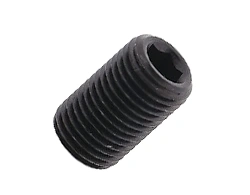
ASTM A193 B7 Socket Set Screw
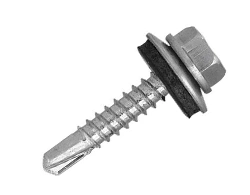
ASTM A193 B7 Self Drilling Screw
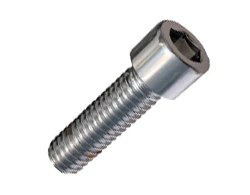
ASTM A193 B7 Socket Head Cap Screw
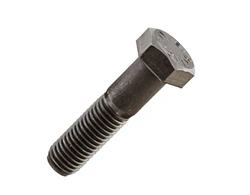
SA 193 B7 Hex Head Screws
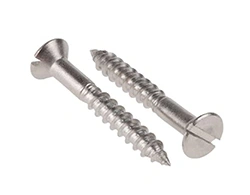
ASTM A193 B7 Wood Screw

ASTM A193 Gr. B7 Eye Screw
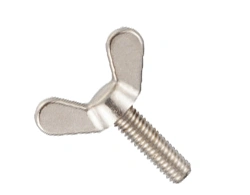
SA 193 Gr. B7 Wing Screw
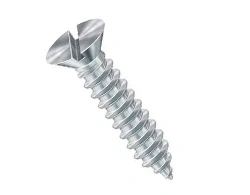
ASTM A193 B7 Self Tapping Screws
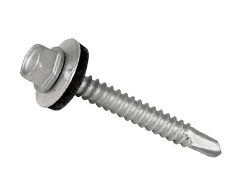
ASTM A193 Gr. B7 Roofing Screw
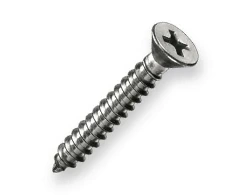
ASTM A193 B7 Phillips Head Screw
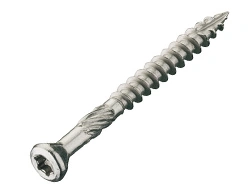
ASTM A193 B7 Decking Screw
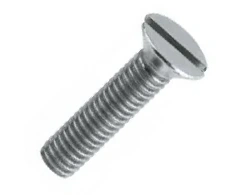
ASTM A193 B7 Machine Screw
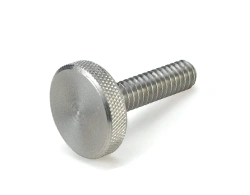
ASTM A193 B7 Thumb Screw
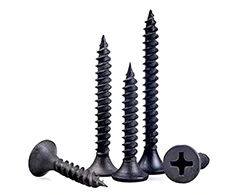
ASTM A193 B7 Drywall Screws
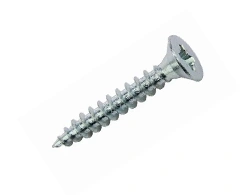
SA 193 B7 Chipboard Screw
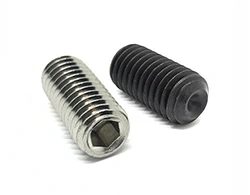
ASTM A193 B7 Metric Set Screws
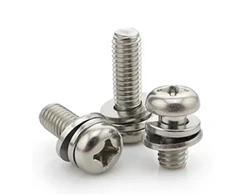
Alloy Steel B7 Sems Screw
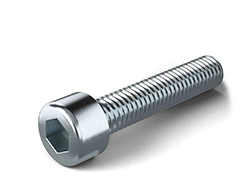
ASTM A193 B7 Thread Rolling Screw
ASTM A193 B7 Stud Bolt
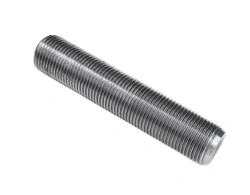
ASTM A193 B7 Full Threaded Stud Bolts
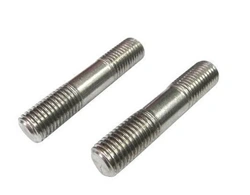
SA 193 B7 Half Threaded Stud Bolts
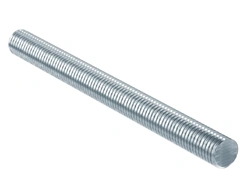
Alloy Steel ASTM A193 B7 Threaded Rod
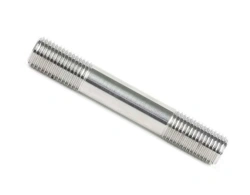
ASTM A193 B7 Double Ended Studs
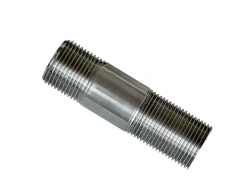
ASTM A193 B7 Tap End Stud Bolt
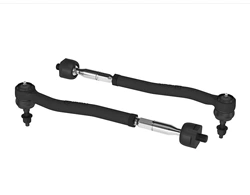
Alloy Steel ASTM A193 B7 Tie Rods
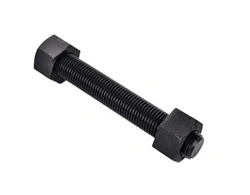
Alloy Steel A193 Grade B7 Studs
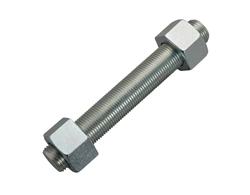
SA 193 B7 Single End Stud Bolts
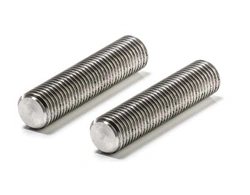
A193 Gr.B7 Reduced Shank Stud Bolt
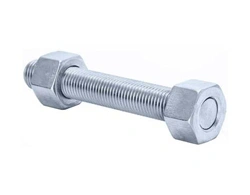
A193 B7 Continuous Threaded Stud Bolt
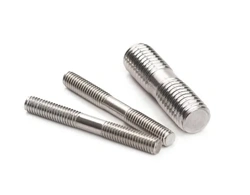
A193 B7 Partial Threads Stud Bolt
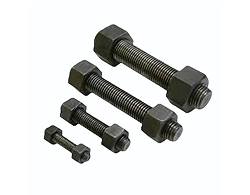
SA193 / A193 B7 Heavy Stud Bolts
Industrial Applications of ASTM A193 Grade B7 Fasteners
Grade B7 is commonly specified in industrial bolted joints where high strength and elevated-temperature/pressure capability are required. Typical project contexts include:
- Refinery and petrochemical piping - flange stud bolting on process lines, valves and equipment connections.
- Pressure vessels and heat exchangers - cover, channel, bonnet and flange joints where the design calls for B7 bolting.
- Valves and fittings - pressure-retaining joints requiring ASTM A193 bolting material.
- Power and steam systems - selected high-pressure/elevated-temperature bolted connections where B7 is permitted by the governing design.
- Heavy process equipment - drawing-based studs and bolts where B7 chemistry and mechanical properties are specified.
The application list is not a substitute for material selection. Temperature, pressure, corrosion environment, sour-service requirements, coating, gasket system and the governing ASME/project code all influence the final bolting grade.
Request a Quote for ASTM A193 GRADE B7 BOLTINGFrequently Asked Questions About ASTM A193 Grade B7
What is ASTM A193 Grade B7 material?
Grade B7 is a chromium-molybdenum alloy-steel bolting grade supplied in the quenched-and-tempered condition. ASTM A193/A193M defines chemistry, heat treatment and mechanical requirements for bolting used in high-temperature, high-pressure and other special-purpose service.
Is ASTM A193 B7 stainless steel?
No. B7 is alloy steel, not stainless steel. If corrosion resistance is a primary design requirement, the project may use a coating or specify another A193 grade such as B8/B8M depending on the environment and design requirements.
What is the difference between B7 and B7M?
B7M is a separate controlled-hardness grade/condition with lower maximum hardness than B7 and additional testing requirements. It is used where the project requires that condition, including certain sour-service applications. Do not substitute B7M for B7 or vice versa without the governing specification.
What is the difference between B7 and B16?
B7 is Cr-Mo alloy steel, while B16 adds vanadium and is specified for certain more demanding elevated-temperature bolting applications. The project design and allowable-stress requirements determine the correct grade.
Which nuts are commonly used with ASTM A193 B7 stud bolts?
ASTM A194 Grade 2H heavy hex nuts are a common pairing with A193 Grade B7 stud bolting in refinery and process-piping flange assemblies. The complete bolted joint - nut grade, dimensions, coating and temperature requirement - should be checked as a system.
What is the maximum temperature for ASTM A193 B7?
A single universal maximum service temperature should not be stated without the design basis. Allowable stress, diameter, joint design, coating/lubrication, exposure time and the governing ASME/project code all influence the usable range. Use the project-specified ASTM edition and design code.
What information is needed for a B7 quotation?
Send the product form, Grade B7 specification, diameter, length, thread, dimensional standard/drawing, nut and washer requirement, finish/coating, quantity, delivery location and any MTC, PMI, hardness or third-party inspection requirement.