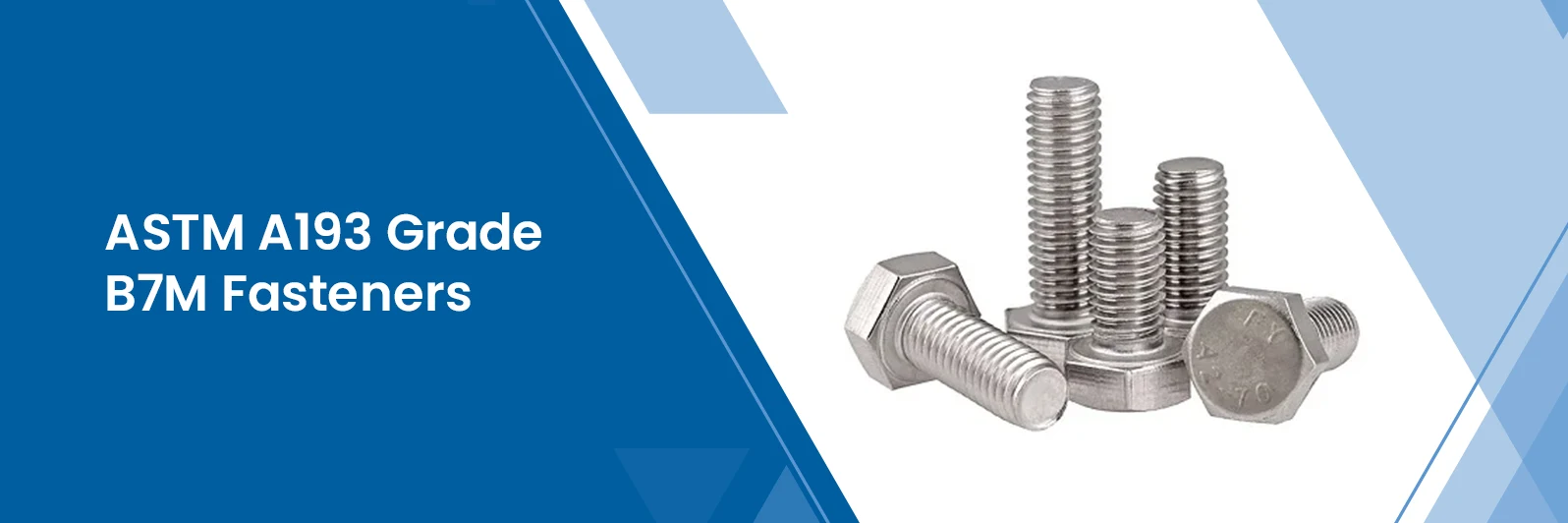
In sour-gas piping, refinery units and other services where bolting hardness is tightly controlled, the material decision is not simply about choosing the highest-strength grade. ASTM A193 Grade B7M is a distinct chromium-molybdenum alloy-steel bolting grade produced to lower hardness and different mechanical limits than standard B7. This controlled-hardness condition is the reason B7M is specified in certain H2S / sour-service and pressure applications when required by the project specification.
Unifit Fastener manufactures ASTM A193 Grade B7M bolts, stud bolts and threaded bolting in India for refinery, gas-processing, petrochemical, valve, flange, pressure-equipment and offshore requirements. For the complete grade family, see ASTM A193 grades and specifications. For the wider material range, see our industrial fasteners page.
Request Quote | Send B7M SpecificationsWhat Makes ASTM A193 Grade B7M Different?
B7M is not the metric version of Grade B7. It is a separate grade within ASTM A193. B7 and B7M use the same chromium-molybdenum chemistry range, but B7M is processed to lower hardness and lower mechanical-strength limits. The controlled-hardness requirement is central to the grade and is one of the reasons it is selected for certain sour-service applications.
- Maximum hardness: 235 HBW or 99 HRB for the B7M condition shown in the applicable property tables.
- Lower minimum strength than standard B7: B7M prioritises the controlled-hardness condition where the project requires it.
- Individual hardness testing: ASTM A193 B7M bolts/studs require hardness verification at the individual fastener level under the specification requirements.
- Matching nut: ASTM A194 Grade 2HM heavy hex nuts are commonly specified with B7M stud bolting; the full bolted-joint specification still controls the final pairing.
For standard Grade B7 high-strength bolting, use the dedicated ASTM A193 Grade B7 fasteners page.
Technical Data
ASTM A193 Grade B7M Chemical Composition
The B7M chemistry range is the same Cr-Mo chemistry family used for B7. That chemistry similarity is exactly why the heat-treatment, hardness and mechanical-property requirements must remain visible on this page: the grade cannot be identified from chemistry alone.
|
Element |
Minimum % |
Maximum % |
|---|---|---|
|
Carbon (C) |
0.37 |
0.49 |
|
Manganese (Mn) |
0.65 |
1.10 |
|
Phosphorus (P) |
- |
0.035 |
|
Sulfur (S) |
- |
0.040 |
|
Silicon (Si) |
0.15 |
0.35 |
|
Chromium (Cr) |
0.75 |
1.20 |
|
Molybdenum (Mo) |
0.15 |
0.25 |
Heat Treatment, Hardness and B7M Testing
ASTM A193 Grade B7M bolting is quenched and tempered to meet the specified B7M mechanical properties and controlled-hardness limit. The commonly referenced minimum tempering temperature is 1150°F (620°C); the project-specified ASTM edition remains the final basis for manufacturing and inspection.
Hardness control is not a marketing feature on this grade - it is part of the specification identity. B7M bolts and studs require individual hardness testing. For procurement and quality teams, the hardness record should therefore be treated as a primary acceptance item alongside chemistry, tensile/yield properties, dimensions, thread and marking.
ASTM A193 B7M Mechanical Properties - Metric
|
Diameter |
Min tempering |
Min tensile |
Min yield |
Elong. % |
RA % |
Hardness max |
|---|---|---|---|---|---|---|
|
M100 and under |
620°C |
690 MPa |
550 MPa |
18 |
50 |
235 HBW / 99 HRB |
|
> M100 to M180 |
620°C |
690 MPa |
515 MPa |
18 |
50 |
235 HBW / 99 HRB |
ASTM A193 B7M Mechanical Properties - Inch
|
Diameter |
Min tempering |
Min tensile |
Min yield |
Elong. % |
RA % |
Hardness max |
|---|---|---|---|---|---|---|
|
4 in and under |
1150°F |
100 ksi |
80 ksi |
18 |
50 |
235 HBW / 99 HRB |
|
> 4 to 7 in |
1150°F |
100 ksi |
75 ksi |
18 |
50 |
235 HBW / 99 HRB |
B7M for Sour Service: What Procurement Should Verify
B7M is commonly selected where a controlled-hardness Cr-Mo bolting grade is required for H2S / sour-service conditions. However, the grade name by itself should not be presented as automatic NACE MR0175 / ISO 15156 compliance. Sour-service suitability depends on the governing project standard and the environmental/material limits that apply to the actual equipment and exposure.
|
Verification point |
What to confirm |
|---|---|
|
Project requirement |
Does the purchase specification explicitly call for ASTM A193 Grade B7M and NACE MR0175 / ISO 15156 or another sour-service requirement? |
|
Hardness |
Confirm the B7M maximum hardness requirement and individual hardness-test records. |
|
Heat treatment |
Verify the heat-treatment condition and the ASTM edition referenced by the project. |
|
Matching nut |
Confirm ASTM A194 Grade 2HM or the project-specified nut grade; do not substitute 2H automatically. |
|
Environment |
Confirm the process/environmental limits used by the materials engineer - H2S/sour-service selection is a system decision. |
|
Coating / lubrication |
Confirm coating system, temperature suitability and tightening procedure; coating does not replace material selection. |
|
Traceability |
Specify MTC / heat number / test records / TPI or PMI where required by the project. |
ASTM A193 B7M Product Forms and Matching Nuts
Keep this grade page focused on industrial bolting. Broader product-form information is available on the industrial bolts and stud bolts pages.
|
Product form |
Typical B7M procurement use |
|---|---|
|
Fully threaded stud bolts |
Flanged piping, valves, pressure equipment and process assemblies where B7M is specified |
|
Double-end / tap-end studs |
Equipment and valve assemblies with project-defined thread engagement |
|
Heavy hex / hex bolts |
Headed bolting where ASTM A193 Grade B7M material is specified |
|
Threaded rods / custom studs |
Project-specific lengths and thread forms subject to the B7M manufacturing/heat-treatment requirements |
ASTM A193 defines the B7M bolting material. Matching nuts are specified separately. ASTM A194 Grade 2HM heavy hex nuts are a common pairing with B7M stud bolting when the project calls for that assembly.
See the ASTM A194 specification for the matching-nut family.
ASTM A193 B7M vs B7 - Keep the Grades Separate
|
Selection point |
B7 |
B7M |
|---|---|---|
|
Chemistry |
Same Cr-Mo chemistry range |
Same Cr-Mo chemistry range |
|
Primary page intent |
High-strength B7 bolting |
Controlled-hardness B7M bolting |
|
Maximum hardness |
321 HBW / 35 HRC for B7 size ranges shown on B7 page |
235 HBW / 99 HRB |
|
Typical small/medium-size strength emphasis |
Higher B7 tensile/yield requirements |
100 ksi tensile with 80/75 ksi yield by inch size range |
|
Hardness testing |
B7 specification testing requirements |
Individual hardness testing is a core B7M requirement |
|
Common matching nut |
ASTM A194 Grade 2H |
ASTM A194 Grade 2HM |
|
Service-selection emphasis |
General high-strength pressure/elevated-temperature duty where specified |
Controlled-hardness / sour-service selection where specified by project/materials engineering |
Need standard B7? Go to ASTM A193 Grade B7 fasteners. The B7 page should not duplicate this B7M hardness/sour-service content.
ASTM A193 B7M RFQ Checklist
|
RFQ field |
What to specify |
|---|---|
|
Grade / standard |
ASTM A193 Grade B7M and the ASTM edition if project-controlled |
|
Product form |
Stud bolt, bolt, threaded stud/rod or drawing-based item |
|
Size / thread |
Diameter, length, UNC/UNF/metric pitch or TPI, class/fit |
|
Matching nut |
ASTM A194 Grade 2HM or the project-specified nut grade |
|
Sour-service requirement |
State NACE MR0175 / ISO 15156 / project sour-service requirement where applicable |
|
Hardness / testing |
State any project hardness acceptance, individual records, PMI or additional testing |
|
Coating / lubrication |
PTFE/Xylan/other approved system and any friction/tightening requirement |
|
Quantity / schedule |
Quantity, delivery location and required date |
|
Documents |
MTC / EN 10204 3.1, TPI, heat traceability, coating reports or project dossier requirements |
For general threaded-rod/stud weight data, use the threaded rod weight chart rather than duplicating a long weight table here.
Send Your Enquiry
Coatings and Torque-Tension Control for B7M Bolting
B7M bolting can be supplied with project-approved finishes or coatings, but coating selection must be separated from the B7M material decision. PTFE/Xylan and other lubricated systems alter thread friction and therefore the tightening torque needed to achieve a target preload. A single universal B7M torque chart is not technically responsible without a defined coefficient of friction, thread size, nut condition, lubrication/coating and preload target.
Related resources: PTFE / Teflon coated fasteners | Xylan coated fasteners | fastener coatings guide
Marking, Inspection and Documentation for B7M
For B7M orders, the acceptance package should make the controlled-hardness condition and traceability easy to verify. The exact scope depends on the purchase order, but the following items are the right E-E-A-T and procurement signals to make visible on the page when Unifit can support them with real records.
- B7M grade marking and manufacturer identification as required by the applicable specification.
- Heat / lot traceability linked to the material test documentation.
- Individual hardness-test results for B7M bolts/studs as required by the specification.
- Chemical and mechanical test results for the ordered size range.
- Dimensional and thread inspection against the purchase standard or drawing.
- Coating / finish records where a project coating system is ordered.
- EN 10204 3.1 inspection certificate / MTC where specified by the order - describe it as a document, not a company certification.
- PMI, third-party inspection or additional project tests where explicitly required.
Where ASTM A193 Grade B7M Is Commonly Specified
- Sour-gas / H2S service in oil and gas projects where the materials specification calls for controlled-hardness B7M bolting.
- Gas-processing and petrochemical equipment, including flanges, valves and pressure assemblies where B7M is specified.
- Refinery piping and process equipment requiring the B7M grade rather than standard B7.
- Offshore and upstream equipment where the project material specification includes B7M and the sour-service requirements are separately verified.
- Pressure vessels, heat exchangers and valve assemblies where the designer specifies B7M mechanical and hardness limits.
Do not select B7M from an industry list alone. The engineer or project specification should control the final material grade, hardness, nut pairing, coating, tightening procedure and documentation.
Types of ASTM A193 Grade B7M Fasteners
Awareness of the various ASTM A193 Grade B7M fastener types available helps buyers make informed choices tailored to their project needs and operating conditions.
ASTM A193 B7M Structural Bolts
ASTM A193 B7M Heavy Hex Bolts
ASTM A193 B7M Hex Bolts

ASTM A193 B7M Hexagon Head Bolts
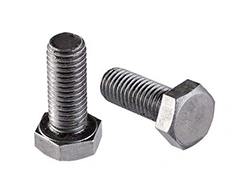
SA 193 B7M Machine Bolts
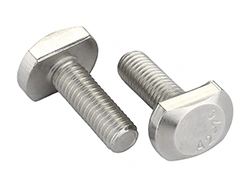
ASTM A193 Grade B7M T Bolts
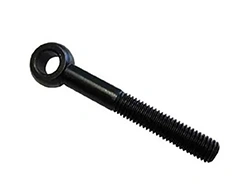
ASTM A193 Gr. B7M Eye Bolt
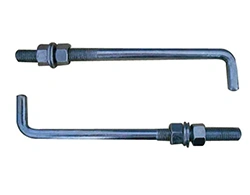
SA 193 B7M Foundation Bolts
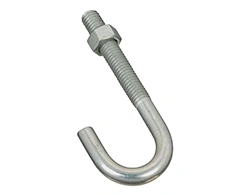
Alloy Steel A193 Gr B7M J Bolts
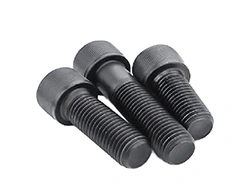
ASTM A193 B7M Button Head Bolt
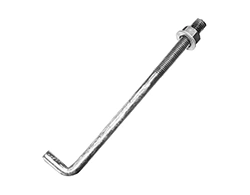
SA 193 B7M Anchor Bolts
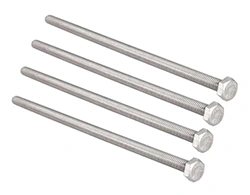
ASTM A193 B7M Long Bolts
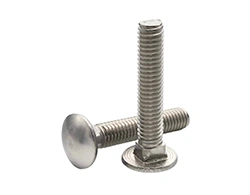
ASTM A193 B7M Carriage Bolt
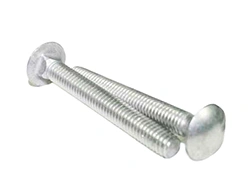
ASTM A193 B7M Elevator Bolt
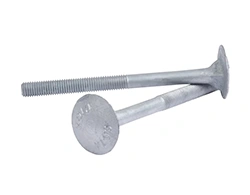
ASTM A193 B7M Timber Bolts

SA 193 B7M Square Bolt
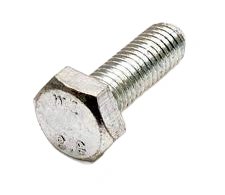
ASTM A193 B7M Metric Bolt
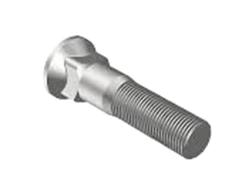
ASTM A193 B7M Plow Bolts
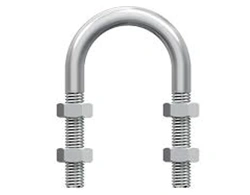
Alloy Steel Gr. B7M U Bolts
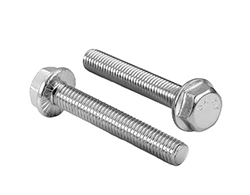
ASTM A193 B7M Flange Bolts
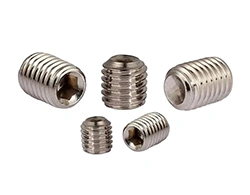
ASTM A193 B7M Socket Set Screw
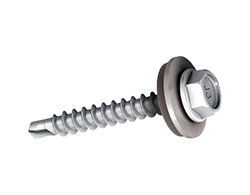
ASTM A193 B7M Self Drilling Screw
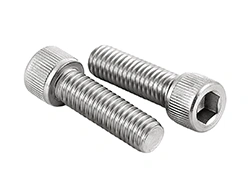
ASTM A193 B7M Socket Head Cap Screw
SA 193 B7M Hex Head Screws
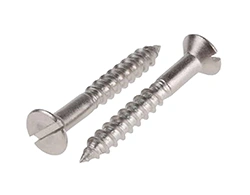
ASTM A193 B7M Wood Screw
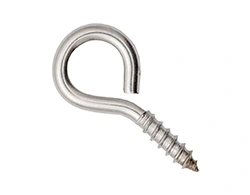
ASTM A193 Gr. B7M Eye Screw
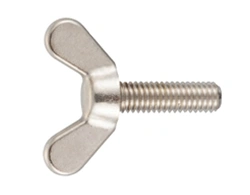
SA 193 Gr. B7M Wing Screw
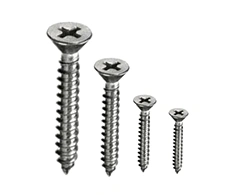
ASTM A193 B7M Self Tapping Screws
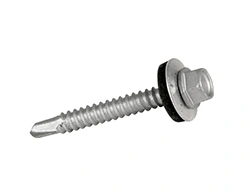
ASTM A193 Gr. B7M Roofing Screw

ASTM A193 B7M Phillips Head Screw
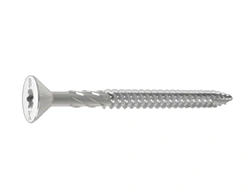
ASTM A193 B7M Decking Screw
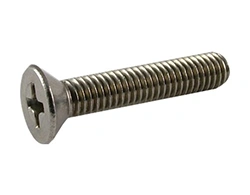
ASTM A193 B7M Machine Screw
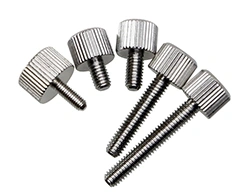
ASTM A193 B7M Thumb Screw
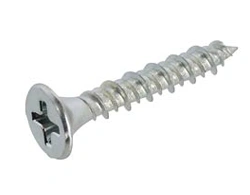
ASTM A193 B7M Drywall Screws
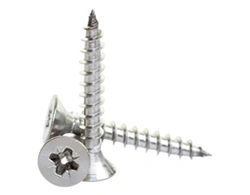
SA 193 B7M Chipboard Screw
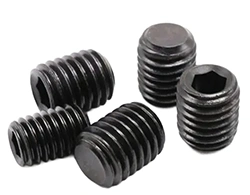
ASTM A193 B7M Metric Set Screws
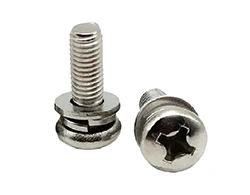
Alloy Steel B7M Sems Screw
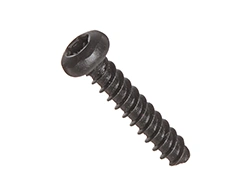
ASTM A193 B7M Thread Rolling Screw
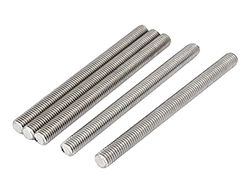
ASTM A193 B7M Full Threaded Stud Bolts
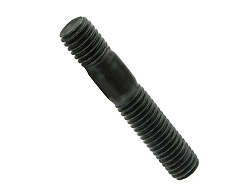
SA 193 B7M Half Threaded Stud Bolts
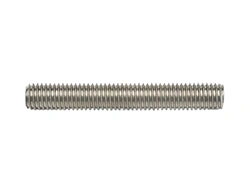
Alloy Steel ASTM A193 B7M Threaded Rod
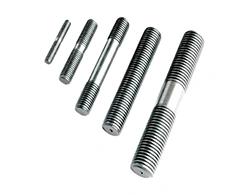
ASTM A193 B7M Double Ended Studs
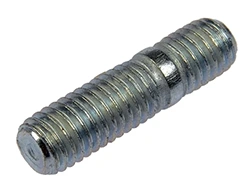
ASTM A193 B7M Tap End Stud Bolt
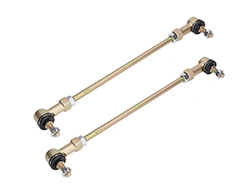
Alloy Steel ASTM A193 B7M Tie Rods
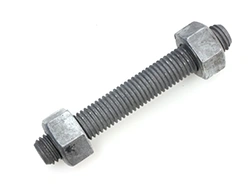
Alloy Steel A193 Grade B7M Studs
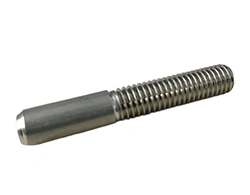
SA 193 B7M Single End Stud Bolts
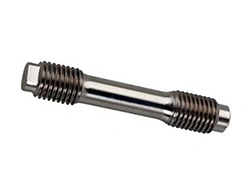
A193 Gr. B7M Reduced Shank Stud Bolt
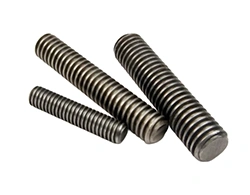
A193 B7M Continuous Threaded Stud Bolt
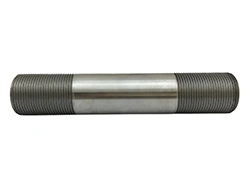
A193 B7M Partial Threads Stud Bolt
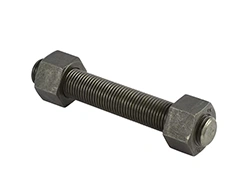
SA193 / A193 B7M Heavy Stud Bolts
Frequently Asked Questions About ASTM A193 Grade B7M
Is ASTM A193 B7M the metric version of B7?
No. B7M is a separate ASTM A193 grade, not the metric designation for B7. ASTM A193/A193M is the dual-unit specification framework; Grade B7M has its own heat-treatment, mechanical-property, hardness and testing requirements.
What is the main difference between ASTM A193 B7 and B7M?
The most important difference is the controlled-hardness condition. B7M has a maximum hardness of 235 HBW or 99 HRB and lower strength requirements than standard B7. B7M also has an individual hardness-testing requirement for bolts/studs and is commonly paired with ASTM A194 Grade 2HM nuts.
Why is B7M used for sour service?
B7M is selected in certain H2S / sour-service applications because the grade is produced to a lower controlled hardness than standard B7. The grade name alone does not establish full NACE MR0175 / ISO 15156 compliance; the governing project, material condition and environmental limits still need to be checked.
What is the maximum hardness of ASTM A193 Grade B7M?
The B7M property tables use a maximum hardness of 235 HBW or 99 HRB. Hardness is a central acceptance requirement for this grade, and B7M bolts/studs require individual hardness verification under the specification.
Which nuts are commonly used with ASTM A193 B7M stud bolts?
ASTM A194 Grade 2HM heavy hex nuts are a common pairing with A193 Grade B7M stud bolting. The final nut grade, coating, dimensions and service suitability should be confirmed as part of the complete bolted-joint specification.
Does B7M have the same chemical composition as B7?
B7M uses the same chromium-molybdenum chemistry range as B7, but the grades are not interchangeable. B7M has different heat-treatment, hardness, strength and testing requirements.
What should I send for a B7M quotation?
Send the ASTM A193 B7M grade and edition, product form, diameter, length, thread, dimensional standard/drawing, A194 nut requirement, sour-service/NACE requirement if applicable, coating, quantity, delivery schedule and required MTC/hardness/PMI/TPI documentation.