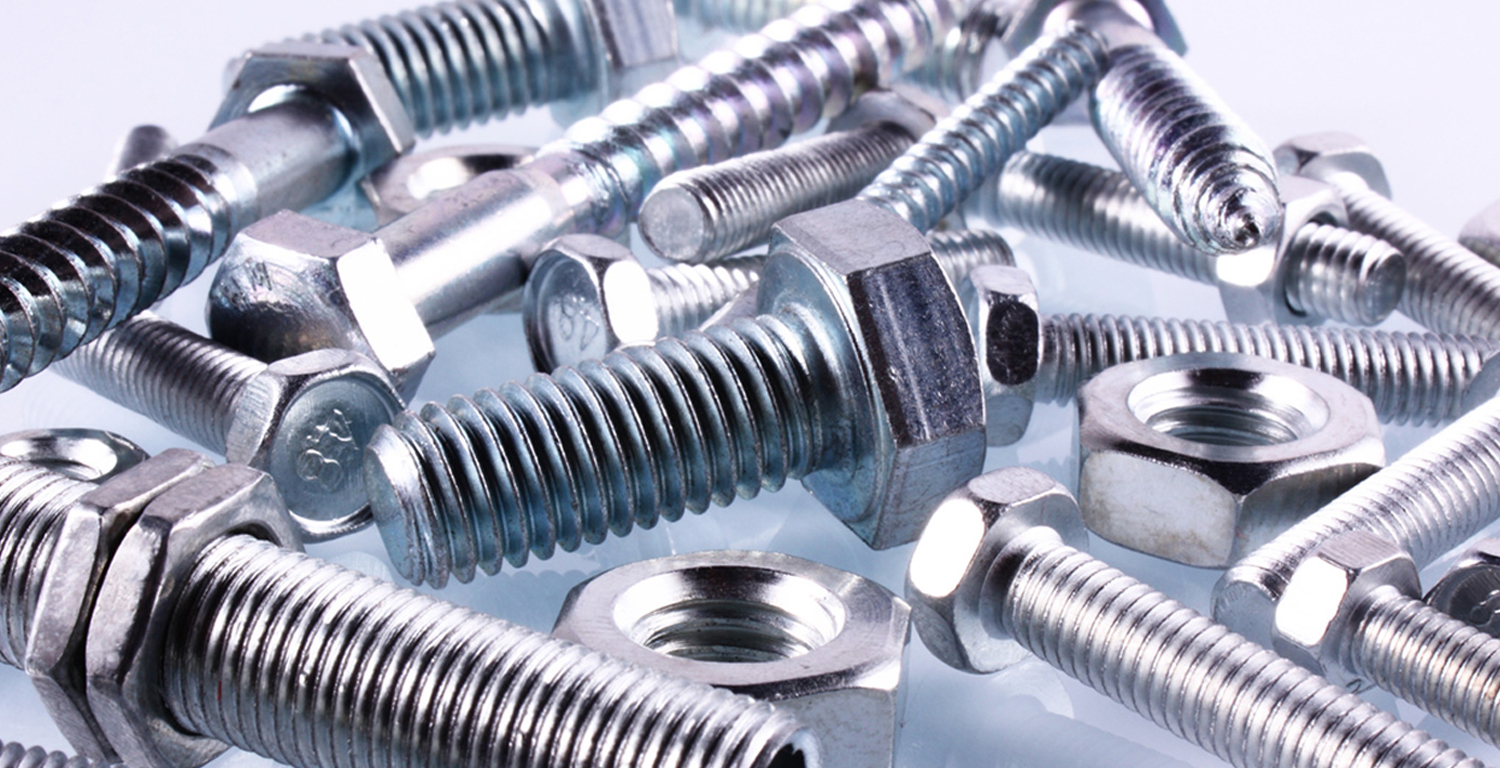
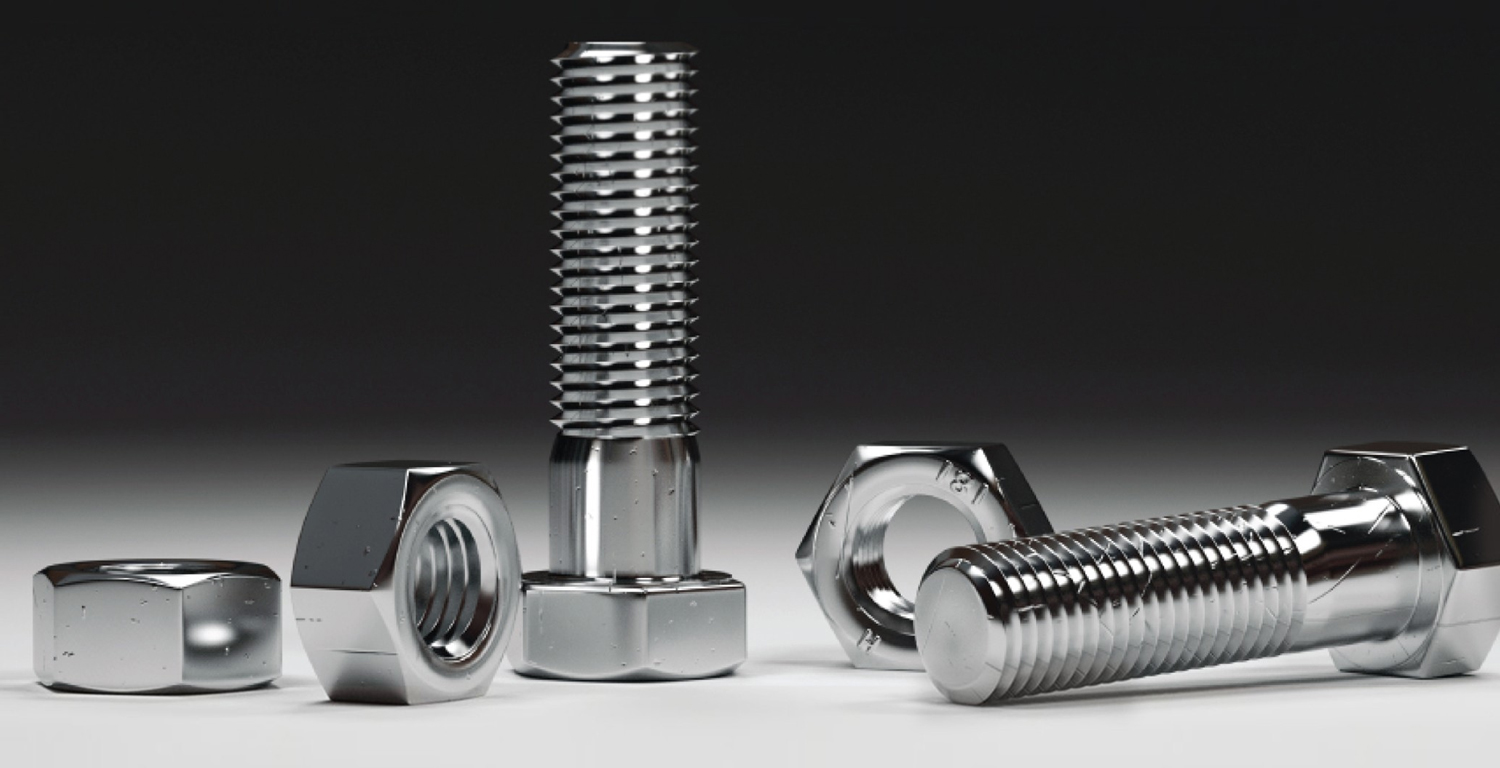
In high-pressure valves, flanges and process equipment where a 12-13% chromium martensitic stainless bolting grade is specified, ASTM A193 Grade B6 provides a high-strength Type 410 option. B6 is quenched and tempered and, for diameters through 4 inches in the ASTM mechanical table, carries minimum tensile and yield strengths of 110 ksi and 85 ksi.
Unifit Fastener manufactures ASTM A193 Grade B6 bolts, stud bolts and threaded bolting in India for pressure vessels, valve assemblies, process piping, refinery equipment and other elevated-temperature or high-pressure applications where B6 is specified. For the complete A193 grade family, see ASTM A193 grades and specifications. If the project calls for the lower-strength, controlled-hardness variant, compare ASTM A193 Grade B6X fasteners.
Request a Quote | Send ASTM A193 B6 Requirement
What Is ASTM A193 Grade B6?
ASTM A193 Grade B6 is a chromium stainless bolting grade based on Type 410 / UNS S41000 chemistry. It belongs to the heat-treated ferritic/martensitic group within ASTM A193 and is supplied in the quenched-and-tempered condition to meet the grade's mechanical requirements.
The ASTM designation controls the bolting material, heat treatment and mechanical properties. It does not replace the product dimensional standard, thread requirement, matching nut specification or project inspection plan. A purchase order should therefore state B6 together with the bolt/stud geometry, dimensions, thread and documentation requirements.
For the wider material family, see stainless steel fasteners. Keep generic stainless material browsing on that page; this URL should remain focused on ASTM A193 B6.
Technical Data
ASTM A193 B6 Chemical Composition
B6 uses Type 410 / UNS S41000 chemistry with approximately 12-13% chromium. The values below are the public B6 composition limits used for engineering reference; verify the project-specified ASTM edition before purchase.
Heat Treatment and Mechanical Properties of ASTM A193 B6
B6 bolting is quenched and tempered. In the public ASTM A193 mechanical table, B6 for diameters up to 4 inches has a minimum tempering temperature of 1100°F (593°C). The finished bolting must then meet the required tensile, yield, elongation and reduction-of-area values.
Do not publish a fixed hardening temperature as an ASTM requirement unless it is specifically supported by the applicable manufacturing procedure. For SEO and buyer clarity, the page should focus on the grade's required final condition and verified mechanical properties.
B6 Bolts, Stud Bolts and Matching ASTM A194 Grade 6 Nuts
The most relevant B6 product forms for pressure-service procurement are stud bolts, headed bolts and threaded studs. The project should specify the product geometry separately from the B6 material grade.
Related product pages: industrial bolts | stud bolts
ASTM A193 B6 bolting is commonly paired with ASTM A194 Grade 6 heavy hex nuts. The final nut dimensions, thread, finish and project requirements should be confirmed as part of the complete assembly.
See ASTM A194 Grade 6 hex nuts for the dedicated nut specification page.
ASTM A193 B6 vs B6X
B6 and B6X use the same Type 410 / UNS S41000 chemistry. Their key difference is mechanical condition. B6 carries higher minimum strength; B6X lowers the strength requirement and adds a 26 HRC maximum hardness limit.
Open the dedicated ASTM A193 Grade B6X fasteners page when the purchase specification calls for B6X or a 26 HRC maximum. Do not substitute B6 and B6X without purchaser/engineering approval.
Types of ASTM A193 Grade B6 Fasteners
ASTM A193 Grade B6 Fasteners
Stainless Steel ASTM A193 B6 Fasteners
Stainless Steel ASTM A193 B6 Bolts
Stainless Steel ASTM A193 B6 Screws
Stainless Steel ASTM A193 B6 Stud Bolt
Corrosion Resistance and Material Selection
The chromium content in Type 410 gives B6 better oxidation and general corrosion resistance than plain carbon or low-alloy steel, but B6 should not be treated as equivalent to austenitic Type 304 or 316 grades in aggressive chloride environments. If corrosion resistance is the dominant design requirement, the engineer may need to compare B6 with B8, B8M or a higher-alloy grade.
B6 is also not the low-temperature route within the ASTM bolting family. ASTM A320 is the specification normally associated with low-temperature bolting. The final grade should follow the service temperature, pressure, corrosion environment, joint design and governing project specification.
Related stainless grades: ASTM A193 Grade B8 fasteners | ASTM A193 Grade B8M fasteners.
Industrial Applications for ASTM A193 B6
B6 is used where the design or project specification calls for high-strength Type 410 stainless bolting under ASTM A193. Typical applications include:
- Valves and pressure fittings - bolts or studs in high-pressure/high-temperature service where B6 is listed in the equipment specification.
- Refinery and process piping - flange and equipment joints where the 410 stainless B6 grade is selected for strength plus moderate corrosion resistance.
- Pressure vessels and heat-exchanger assemblies - bolting for covers, bonnets and related pressure-retaining joints where B6 is specified.
- Power and process equipment - elevated-temperature bolted connections subject to the governing design code and allowable stress basis.
- Industrial maintenance and replacement bolting - like-for-like B6 replacement where material traceability, dimensions and thread fit must match the existing specification.
The application list is not a substitute for material selection. B6 should be used because the project specification calls for its chemistry and properties, not simply because an industry appears in a supplier catalogue.
Marking, Inspection and Documentation
For critical pressure-service bolting, the RFQ should define traceability and inspection before production or dispatch. B6 parts should be identified to the applicable ASTM marking requirements and linked to the material heat/lot records.
- Grade and manufacturer identification - verify B6 marking and manufacturer identification as applicable to the product form and standard.
- Material traceability - heat/lot records tied to the supplied inspection certificate.
- Chemical verification - confirm Type 410 / UNS S41000 B6 chemistry.
- Mechanical testing - tensile, yield, elongation and reduction-of-area values required by the ordered specification.
- Dimensions and threads - diameter, length, pitch/TPI, class/fit and dimensional standard.
- PMI, hardness or third-party inspection - add only when required by the project/order.
- EN 10204 3.1 MTC - may be specified where offered; describe it as an inspection certificate, not as a company certification.
What is ASTM A193 Grade B6?
ASTM A193 Grade B6 is a Type 410 / UNS S41000 chromium stainless bolting grade for high-temperature, high-pressure and other special-purpose A193 service. It is supplied in the quenched-and-tempered condition and, for diameters through 4 inches in the public ASTM table, has minimum tensile and yield strengths of 110 ksi and 85 ksi.
What is the difference between ASTM A193 B6 and B6X?
B6 and B6X share the same Type 410 / UNS S41000 chemistry. B6 has higher minimum strength at 110 ksi tensile and 85 ksi yield. B6X is 90 ksi tensile and 70 ksi yield and adds a 26 HRC maximum hardness limit. They are separate grade conditions and should not be substituted without approval.
Is ASTM A193 B6 stainless steel?
Yes. B6 is based on Type 410 / UNS S41000 martensitic stainless steel. However, its corrosion behaviour is not the same as austenitic Type 304 or 316 grades, so the service environment must still be reviewed.
What is the minimum tempering temperature for ASTM A193 B6?
The public ASTM A193 mechanical table lists a minimum tempering temperature of 1100°F (593°C) for B6 in the stated size range. The final heat treatment and compliance should be verified against the ASTM edition specified on the order.
Which nuts are commonly used with ASTM A193 B6 stud bolts?
ASTM A194 Grade 6 heavy hex nuts are a common compatible nut specification for ASTM A193 B6 bolting. The nut dimensions, thread, finish and project requirements should be confirmed as part of the full assembly.
Is ASTM A193 B6 suitable for seawater or severe chloride service?
Do not assume this from the stainless-steel designation. B6 uses Type 410 chemistry and does not provide the chloride pitting resistance associated with 316-based or higher-alloy stainless grades. The project corrosion assessment should determine the material.
What information should I send for a B6 quotation?
Send the B6 grade, product form, diameter, length, thread, dimensional standard or drawing, matching nut/washer requirement, surface condition, quantity, delivery location and any MTC, PMI, testing, third-party inspection or marking requirement.