In chemical-processing lines, pressure equipment and chloride-bearing service, stainless bolting may need more corrosion resistance than Type 304 can provide. ASTM A193 Grade B8M is the Type 316 stainless-steel bolting grade in the A193 family; its molybdenum content gives it better resistance to pitting and crevice corrosion than Grade B8/Type 304, subject to the actual environment and project specification.
Unifit Fastener manufactures ASTM A193 Grade B8M bolts, stud bolts and threaded bolting in India for pressure vessels, valves, flanges, fittings and process piping. B8M can be ordered in Class 1 or Class 2, so the class, dimensions, thread, matching nut, surface condition and inspection documentation should be stated on the purchase requirement. For the wider grade family, see ASTM A193 grades and specifications. For the broader product range, see our industrial fasteners page.
Request a Quote | Send B8M Specifications
What Is ASTM A193 Grade B8M?
ASTM A193 B8M is an austenitic stainless-steel bolting grade based on Type 316 chemistry. Compared with B8/Type 304, the addition of molybdenum improves resistance to localized corrosion in many chloride-bearing and chemical environments. That difference is why B8M is commonly considered for process plants, water-treatment equipment and other pressure-service joints where 304-type bolting may not provide enough corrosion resistance.
B8M is still a specification-driven material choice. “Stainless steel” does not mean immunity to chloride attack, and B8M should not automatically be described as suitable for every seawater, offshore or acid service. Chloride concentration, temperature, crevices, process chemistry, stress, cleaning regime and the governing code all influence the final selection.
If the requirement is generic Type 316/316L fasteners rather than ASTM A193 B8M bolting, use the Stainless Steel 316/316L fasteners page instead.
Technical Data
ASTM A193 Grade B8M Fasteners Specification Chart
ASTM A193 B8M Class 1 vs Class 2
The B8M grade has two common strength conditions. Class 1 is carbide solution treated. Class 2 is solution treated and then strain hardened, which raises the strength but makes the requirements size-dependent. Under A193 practice, B8M is generally treated as Class 1 unless Class 2 is specifically ordered.
Detailed class pages: ASTM A193 B8M Class 1 fasteners | ASTM A193 B8M Class 2 fasteners.
ASTM A193 Grade B8M Chemical Composition
The B8M chemistry below reflects the Type 316 composition limits used in the current Unifit page and common ASTM A193 reference tables. Verify the final values against the ASTM A193/A193M edition specified for the order.
The molybdenum content is the most useful buyer-facing distinction from B8/Type 304. It improves resistance to pitting and crevice corrosion, but the final corrosion suitability still depends on the complete service environment.
ASTM A193 B8M Bolts, Stud Bolts and Matching Nuts
Keep the B8M product range focused on pressure-service bolting rather than a long catalogue of unrelated screw types. Typical project forms include:
General product-form information: industrial bolts | stud bolts.
ASTM A193 B8M RFQ Checklist
A complete RFQ helps prevent the wrong class, nut pairing or assembly condition from being quoted.
Types of ASTM A193 Grade B8M Fasteners
Identifying different fastener types allows buyers to pick the exact products tailored to their unique industrial application needs.
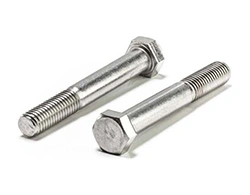
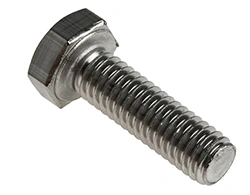
ASTM A193 B8M Bolts
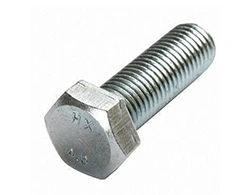
ASTM A193 B8M Heavy Hex Bolts
ASTM A193 B8M Hexagon Head Bolts
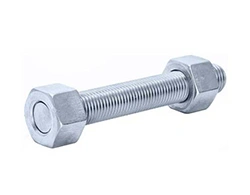
ASTM A193 B8M Stud Bolt (Class 1 & Class 2)
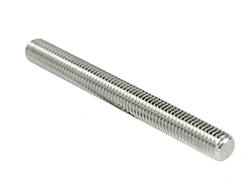
ASTM A193 B8M Full Threaded Stud Bolts
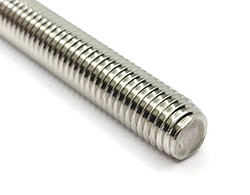
Alloy Steel ASTM A193 B8M Threaded Rod
A193 B8M Continuous Threaded Stud Bolt
Matching ASTM A194 Grade 8M Nuts
ASTM A193 covers the B8M bolting material; the matching nut is specified separately. ASTM A194 Grade 8M heavy hex nuts are a common pairing with A193 B8M Class 1 and Class 2 bolting. For Class 2 bolts, a strain-hardened nut is not automatically required by the B8M designation alone; if a strain-hardened nut is needed, it should be called out in the nut specification / supplementary requirement or project document.
Related nut page: ASTM A194 Grade 8M hex nuts.
Corrosion, Galling and Torque-Tension Considerations
B8M is often selected because Type 316 gives better chloride resistance than Type 304, but that does not remove the need for a corrosion review. Warm chloride solutions, stagnant crevices and severe seawater exposure can still attack 316-type stainless steel. Where the corrosion assessment calls for substantially higher pitting resistance, a higher-alloy grade such as B8MLCuN may be the better specification route.
Austenitic stainless-steel threads also need attention during assembly. B8M bolt-and-nut pairs can gall if thread condition, surface finish, lubrication and installation speed are not controlled. These factors also change the relationship between applied torque and achieved preload. For this reason, a generic torque number should not be copied from a chart without defining the lubricant/coating, nut condition, target preload, thread size and calculation basis.
Assembly note
For critical flange joints, use the project-approved tightening procedure. If the customer asks for a torque value, confirm the thread, class, nut grade, lubricant/coating and target preload before issuing it.
Where ASTM A193 Grade B8M Is Used
B8M is used where the design calls for Type 316 austenitic stainless bolting under the ASTM A193 pressure/high-temperature specification. Common project environments include:
- Chemical and process plants - valves, flanges, fittings and equipment joints exposed to corrosive process conditions where Type 316 is specified.
- Water-treatment and desalination equipment - selected joints where chloride exposure requires more resistance than Type 304, subject to the actual chloride level and temperature.
- Pressure vessels and heat exchangers - bolted connections where ASTM A193 B8M is named in the equipment or piping specification.
- Refinery and petrochemical systems - stainless bolting for selected process services where both the mechanical class and corrosion environment are defined.
- Offshore / marine equipment - only where the corrosion assessment confirms 316-type bolting is appropriate; do not treat B8M as universal seawater bolting.
ASTM A193 B8M vs B8 vs B8MLCuN
The three grades should not compete for the same search intent. Use the service environment as the routing logic:
| Grade |
Material family |
Key chemistry difference |
Selection direction |
Owner |
|
B8
|
Type 304 austenitic stainless
|
No molybdenum
|
General corrosion-resistant A193 stainless bolting where Type 304 is specified
|
https://unifitfastener.com/astm-a193-grade-b8-fasteners.html
|
|
B8M
|
Type 316 austenitic stainless
|
2-3% Mo
|
Improved pitting/crevice-corrosion resistance over B8 in many chloride-bearing environments
|
THIS PAGE
|
|
B8MLCuN
|
UNS S31254 / 6Mo-style high-alloy stainless
|
Higher Mo + alloying additions
|
More severe chloride/process environments where the project specifies B8MLCuN
|
https://unifitfastener.com/astm-a193-b8mlcun-fasteners.html
|
Compare the exact grade pages: ASTM A193 Grade B8 | ASTM A193 B8MLCuN.
Marking, Inspection and Documentation
For project bolting, the order should define the class, marking and documentation scope before production or dispatch. B8M Class 1 is marked B8M; Class 2 is differentiated by the applicable Class 2 / SH marking requirements. The page should show a real Unifit marking photograph once the team has a verified sample.
- Material traceability - heat/batch identification linked to the supplied material certificate.
- Chemical verification - chemistry consistent with the ordered B8M grade; PMI may be specified where the project requires it.
- Mechanical verification - tensile/yield/elongation/hardness appropriate to Class 1 or the ordered Class 2 size range.
- Dimensional/thread inspection - diameter, length, pitch/TPI, class/fit and drawing/dimensional standard.
- MTC / EN 10204 3.1 - provide where it is part of the order; describe it as an inspection certificate, not as a company certification.
- Third-party inspection or additional tests - list only what is genuinely requested and available for the order.
What material is ASTM A193 Grade B8M?
ASTM A193 Grade B8M is an austenitic stainless-steel bolting grade based on Type 316 chemistry. Its molybdenum content differentiates it from B8/Type 304 and improves resistance to pitting and crevice corrosion in many chloride-bearing environments.
Is ASTM A193 B8M the same as 316L stainless steel?
Do not treat the terms as automatically interchangeable. B8M is an ASTM A193 bolting grade with Type 316 chemistry and class/mechanical requirements. If a project specifically requires 316L or UNS S31603 chemistry, that requirement should be stated and verified separately.
What is the difference between B8M Class 1 and Class 2?
Class 1 is carbide solution treated. Class 2 is solution treated and strain hardened, giving higher strength with size-dependent mechanical requirements. If Class 2 is required, it should be stated explicitly on the order.
What is the difference between ASTM A193 B8 and B8M?
B8 is based on Type 304 stainless steel, while B8M is based on Type 316 and contains molybdenum. The molybdenum improves localized corrosion resistance, so B8M is often considered where chloride exposure is more demanding than a Type 304 service.
Which nuts are commonly used with ASTM A193 B8M stud bolts?
ASTM A194 Grade 8M heavy hex nuts are a common matching specification for A193 B8M Class 1 and Class 2 bolting. The final nut condition, dimensions, lubricant/coating and project requirements should be checked as part of the complete joint.
Is B8M suitable for seawater and offshore service?
Not automatically. Type 316 B8M has better chloride resistance than Type 304 B8, but severe seawater, elevated temperature or crevice conditions may require a higher-alloy material. The final choice should follow the corrosion assessment and project specification.
Why should a universal B8M torque chart be avoided?
Torque depends on thread size, target preload, nut condition and especially friction from the lubricant, coating and surface finish. A generic value can create the wrong preload. Use the project-approved tightening basis for critical joints.
What should I send for a B8M quotation?
Send the B8M class, product form, diameter, length, thread, dimensional standard or drawing, matching nut/washer requirement, surface or lubricant requirement, service environment, quantity, delivery location and required test/documentation scope.