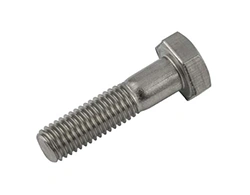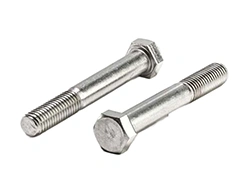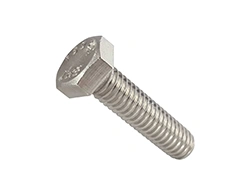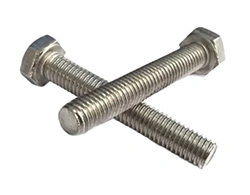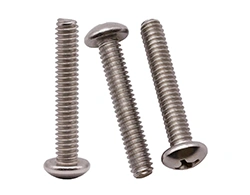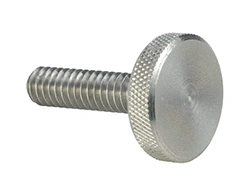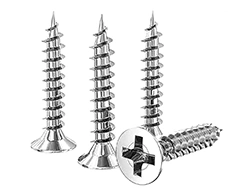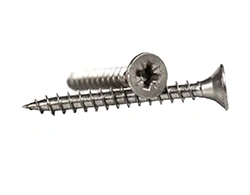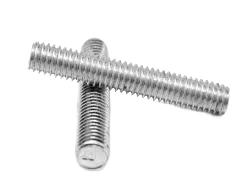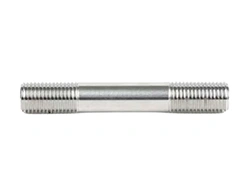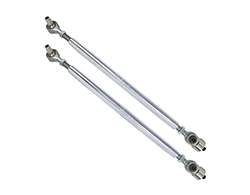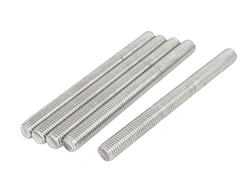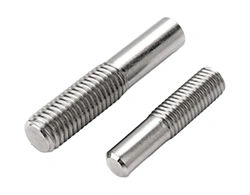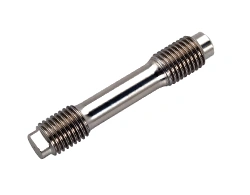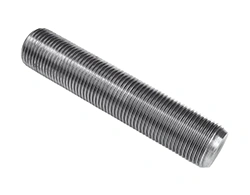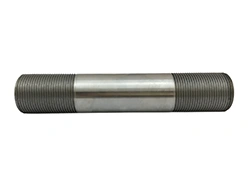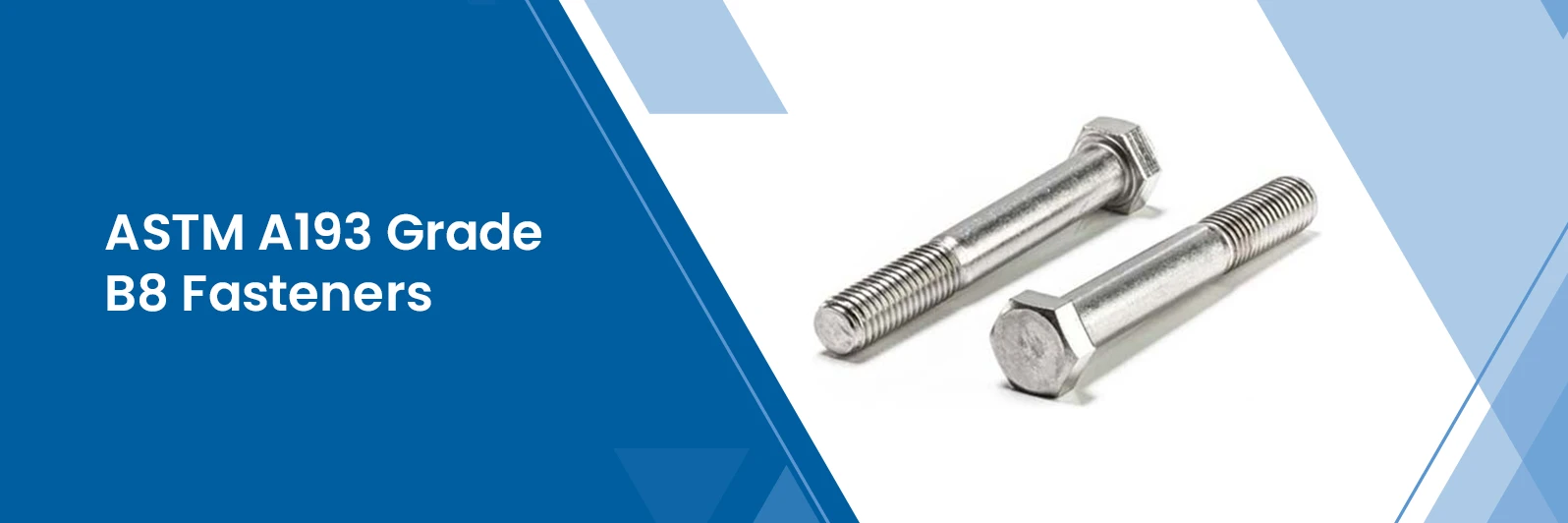
In pressure-vessel, valve, flange and process-piping assemblies where the specification calls for Type 304 stainless bolting, ASTM A193 Grade B8 is one of the standard material choices. The important distinction is the tensile class: Class 1 is carbide solution treated, while Class 2 is additionally strain hardened to provide higher strength within defined diameter ranges. Unifit Fastener manufactures and supplies ASTM A193 Grade B8 bolts, stud bolts and threaded bolting in India for refinery, chemical-processing, power and pressure-equipment requirements. For the wider grade family, see ASTM A193 grades and specifications. If your order already specifies a tensile class, go directly to ASTM A193 B8 Class 1 fasteners or ASTM A193 B8 Class 2 fasteners.
Request A Quote
Send B8 Specification
What ASTM A193 Grade B8 Means
ASTM A193/A193M covers alloy-steel and stainless-steel bolting materials and components used for pressure vessels, valves, flanges, fittings and other high-temperature, high-pressure or special-purpose applications. Grade B8 identifies the Type 304 austenitic stainless-steel route within that bolting specification.
That is different from ordering a generic “304 stainless bolt”. Type 304 describes the stainless-steel chemistry, while ASTM A193 Grade B8 adds bolting-specific requirements such as treatment condition, mechanical properties, marking and other specification controls. Where a general-purpose stainless fastener standard is required instead, the purchasing specification may point to a different ASTM standard such as F593.
For general 304 fastener requirements outside the A193 grade intent, use the Stainless Steel 304/304L/304H Fasteners page.
ASTM A193 B8 Class 1 vs Class 2
Class 1 and Class 2 use the same B8 stainless-steel chemistry, but they are not mechanically interchangeable. The difference is the material condition after solution treatment and the resulting strength requirement.
Class |
Condition |
Mechanical profile |
Selection logic |
Identification |
Class 1 |
Carbide solution treated |
75 ksi minimum tensile / 30 ksi minimum yield for all diameters in common reference tables |
General B8 high-temperature/high-pressure stainless bolting where the design does not require Class 2 strength |
B8 |
Class 2 |
Carbide solution treated + strain hardened |
Higher strength; minimum tensile/yield values vary by diameter |
When the project specifically calls for strain-hardened B8 and the required diameter/property range |
B8SH / current-edition marking to be verified |
Detailed Class 1 chemistry, properties and ordering information belong on the B8 Class 1 page. Detailed strain-hardening and size-dependent Class 2 properties belong on the B8 Class 2 page. Unless the project specifies otherwise, Class 1 is commonly treated as the default class in industry guidance; the purchase order should state the required class explicitly.
ASTM A193 Grade B8 Chemical Composition
Grade B8 is based on Type 304 austenitic stainless steel. The B8 chemistry below is a procurement reference and should be verified against ASTM A193/A193M-26 or the edition stated in the project specification.
Element |
B8 requirement (%) |
Carbon (C) | 0.08 max |
Manganese (Mn) | 2.00 max |
Phosphorus (P) | 0.045 max |
Sulfur (S) | 0.030 max |
Silicon (Si) | 1.00 max |
Chromium (Cr) | 18.0 - 20.0 |
Nickel (Ni) | 8.0 - 11.0 |
B8 does not contain the 2-3% molybdenum associated with Grade B8M. That chemistry difference is one reason B8M is generally considered when chloride resistance is a stronger design driver.
Mechanical Properties - B8 Grade Overview
The broad B8 page should show only the class-level picture. Exact Class 2 values are diameter-dependent and should remain on the dedicated Class 2 page to prevent search and content overlap.
Class |
Size scope |
Tensile min |
Yield min |
Elong. min |
RA min |
Hardness max |
B8 Class 1 |
All sizes |
75 ksi |
30 ksi |
30% |
50% |
223 HBW / 96 HRB max |
B8 Class 2 |
Diameter-dependent |
100-125 ksi range in common A193 tables |
50-100 ksi range in common A193 tables |
12-28% depending on diameter |
35-45% depending on diameter |
321 HBW / 35 HRC max |
Technical verification
Do not publish a single Class 2 tensile value for every diameter. Keep the size-by-size Class 2 table on the Class 2 URL and verify it against the active ASTM A193/A193M edition.
B8 Bolts, Stud Bolts and Threaded Bolting
For industrial A193 procurement, the useful product question is not how many bolt shapes can be listed. It is which bolting form, thread, class and dimensional standard the joint requires.
Product form |
Typical use |
What the RFQ should specify |
Stud bolts |
Flanged piping, valves, pressure vessels, heat exchangers |
Diameter, overall length, thread series, class, nut grade, finish and inspection scope |
Heavy hex / hex bolts |
Pressure equipment and assemblies where a headed bolt is specified |
Diameter, length, head/dimension standard, class, thread and surface condition |
Threaded studs / rods |
Custom-length bolting and equipment maintenance |
Diameter, thread series/pitch, class, length and end marking |
Drawing-based special bolting |
Non-standard project configurations |
Latest drawing revision, tolerances, class, material, inspection and documentation |
For general geometry and product-form information, use the dedicated bolts and stud bolts pages.
Types of ASTM A193 Grade B8 Fasteners
Selecting the right type of B8 fastener can improve performance, cut downtime, and match exact installation needs.
ASTM A193 B8 Bolts
ASTM A193 B8 Structural Bolts
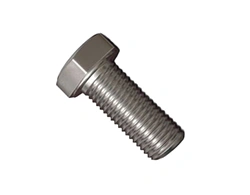
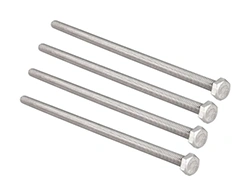
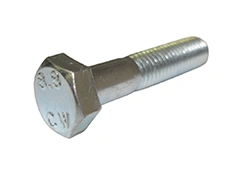
ASTM A193 B8 Heavy Hex Bolts
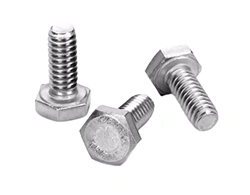
ASTM A193 B8 Hexagon Head Bolts
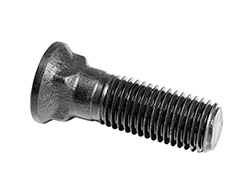
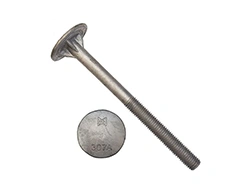
ASTM A193 Grade B8 T Bolts
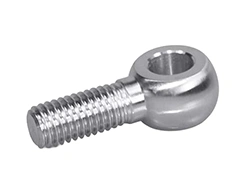
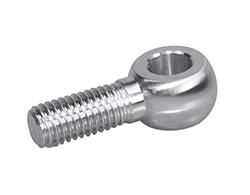
ASTM A193 Gr. B8 Eye Bolt
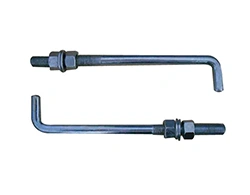
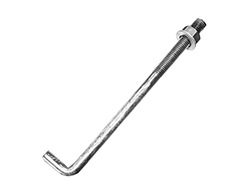
SA 193 B8 Foundation Bolts
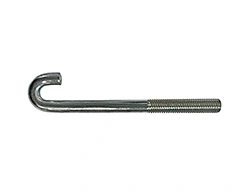
Alloy Steel A193 Gr B8 J Bolts
ASTM A193 B8 Button Head Bolt
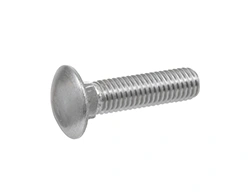
ASTM A193 B8 Carriage Bolt
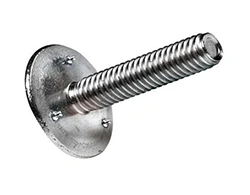
ASTM A193 B8 Elevator Bolt
ASTM A193 B8 Timber Bolts
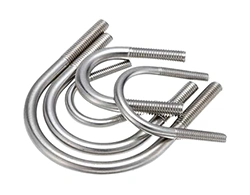
Alloy Steel Gr. B8 U Bolts
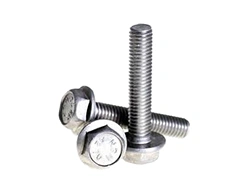
ASTM A193 B8 Flange Bolts
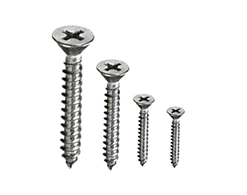
ASTM A193 B8 Screw
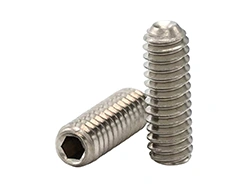
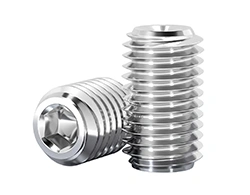
ASTM A193 B8 Socket Set Screw
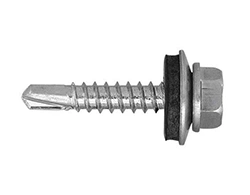
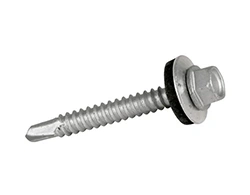
ASTM A193 B8 Self Drilling Screw
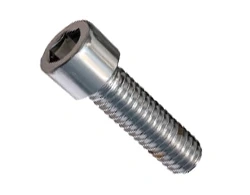
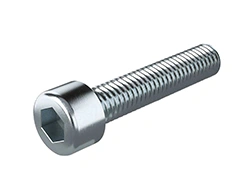
ASTM A193 B8 Socket Head Cap Screw
SA 193 B8 Hex Head Screws
ASTM A193 Gr. B8 Eye Screw
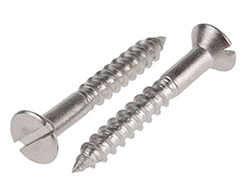
ASTM A193 B8 Self Tapping Screws
ASTM A193 Gr. B8 Roofing Screw
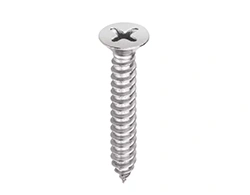
ASTM A193 B8 Phillips Head Screw
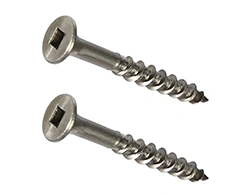
ASTM A193 B8 Decking Screw
ASTM A193 B8 Machine Screw
ASTM A193 B8 Drywall Screws
SA 193 B8 Chipboard Screw
ASTM A193 B8 Metric Set Screws
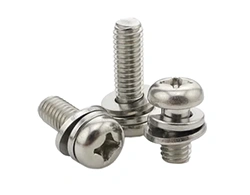
Alloy Steel B8 Sems Screw
ASTM A193 B8 Thread Rolling Screw
ASTM A193 B8 Stud Bolt
ASTM A193 B8 Full Threaded Stud Bolts
SA 193 B8 Half Threaded Stud Bolts
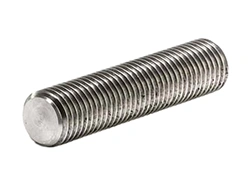
Alloy Steel ASTM A193 B8 Threaded Rod
ASTM A193 B8 Double Ended Studs
ASTM A193 B8 Tap End Stud Bolt
Alloy Steel ASTM A193 B8 Tie Rods
Alloy Steel A193 Grade B8 Studs
SA 193 B8 Single End Stud Bolts
A193 Gr.B8 Reduced Shank Stud Bolt
A193 B8 Continuous Threaded Stud Bolt
A193 B8 Partial Threads Stud Bolt
SA193 / A193 B8 Heavy Stud Bolts
Threads, Matching Nuts and Washers
The B8 grade alone does not finish the bolted-joint specification. The purchase order should also define the thread, dimensional standard, matching nut, washer and assembly condition.
Assembly item |
Typical reference |
Procurement note |
Thread |
UNC/8UN/metric as specified |
A193 high-pressure/high-temperature bolting commonly uses 8UN above 1 inch diameter unless the order specifies otherwise; verify the active standard. |
Matching nut |
ASTM A194 Grade 8 |
Common pairing for B8 stainless bolting; confirm class, dimensions and project requirements. |
Washer |
Type 304 stainless washer |
Specify the required washer dimension standard; do not call it an “ASTM A193 B8 washer”. |
Dimensions |
ASME/ANSI/ISO/DIN/project drawing |
A193 is the material/bolting specification; it does not replace the product dimensional standard. |
For the matching nut family, see ASTM A194.
Galling, Lubrication and Tightening Control
Austenitic stainless threads can gall during tightening, especially when the nut and stud are similar stainless grades, the threads are dry, installation speed is high, or preload is high. The assembly plan should therefore define lubrication or an approved anti-galling strategy together with the tightening method.
Do not publish one universal B8 torque chart without stating thread size, class, nut, lubricant/coating, friction coefficient and target preload. Torque values are highly sensitive to thread friction. Where a coating or lubricant is used, its effect on torque-tension behaviour should be part of the approved installation basis.
ASTM A193 B8 vs B8M - Where B8 Fits
B8 and B8M are both austenitic stainless A193 grades, but they are not interchangeable corrosion choices. B8 is based on Type 304 stainless steel. B8M is based on Type 316 stainless steel and includes molybdenum, which improves resistance to pitting and crevice corrosion in chloride-bearing environments.
Grade |
Base stainless |
Key chemistry distinction |
Selection direction |
Owner |
B8 |
Type 304 |
18-20% Cr, 8-11% Ni; no deliberate Mo addition |
General A193 stainless bolting where Type 304 corrosion resistance is acceptable |
This page |
B8M |
Type 316 |
16-18% Cr, 10-14% Ni, 2-3% Mo |
Where project chemistry/service requires 316-type chloride resistance |
B8M page |
For chloride-heavy, seawater or more aggressive chemical service, review the project requirement against ASTM A193 Grade B8M fasteners rather than assuming B8 is suitable. For a broader comparison, see ASTM A193 Grade B7 vs B8 vs B8M.
Industrial Applications for Grade B8 Fasteners
ASTM A193 Grade B8 is used when the joint specification requires Type 304 stainless bolting within the A193 high-temperature/high-pressure or special-purpose framework. Typical requirements include:
- Refinery and chemical-process piping - flanged joints, valves and equipment connections where Type 304 stainless is permitted by the service specification.
- Pressure vessels and heat exchangers - covers, channels, bonnets and flange joints where A193 B8 is specified.
- Steam and process systems - stainless bolting selected for oxidation/corrosion conditions compatible with Type 304 and the applicable design code.
- Food and pharmaceutical process equipment - only where the equipment/joint design specifically calls for A193 B8 rather than a general-purpose stainless fastener specification.
- Power and industrial process equipment - pressure-retaining assemblies where the project calls for B8 Class 1 or Class 2.
Marine, seawater, desalination and strongly chloride-bearing service should not be listed as automatic B8 applications. In those environments, the material specification may require B8M/316 or a higher-alloy grade depending on chloride level, temperature, crevices and other corrosion factors.
Marking, Inspection and Documentation
For specification-controlled bolting, traceability should be planned before the purchase order is issued. The order should state the required class, marking, testing and documentation.
- Grade / class marking - B8 Class 1 and strain-hardened Class 2 use different identification conventions. Verify the exact marking requirement to ASTM A193/A193M-26 before publishing the final artwork or inspection checklist.
- Material traceability - heat/batch identification tied to the supplied documentation.
- Chemical and mechanical tests - verify the ordered B8 chemistry and class-specific tensile/yield/hardness requirements.
- Dimensional and thread inspection - diameter, length, thread series, class/fit and dimensional standard.
- MTC / inspection certificate - EN 10204 3.1 can be specified where required by the order; it is an inspection document, not a company certification.
- PMI / third-party inspection / supplementary testing - state these in the RFQ where required.
E-E-A-T block to display beside technical tables
Technical review: [Real reviewer name + role]
Last technical review: August 2026
Standard basis: ASTM A193/A193M-26; project-specified edition controls.
Add original Unifit QA/manufacturing image where available.
ASTM A193 Grade B8 RFQ Checklist
RFQ field |
What to specify |
Product form | Stud bolt, heavy hex/hex bolt, threaded stud/rod or drawing-based item |
Grade / class | ASTM A193 Grade B8; state Class 1 or Class 2 explicitly |
Size | Diameter and overall length |
Thread | UNC / 8UN / metric, pitch/TPI and class/fit |
Dimension standard | ASME / ANSI / ISO / DIN / project drawing as applicable |
Matching components | ASTM A194 Grade 8 nut; Type 304 washer if required |
Surface / assembly | Plain/passivated/approved finish, lubricant or anti-galling requirement |
Quantity / delivery | Project quantity, destination and schedule |
Inspection / documents | MTC, PMI, mechanical/hardness tests, TPI and marking requirements |
Request A Quote For ASTM A193 Grade B8 Fasteners
What material is ASTM A193 Grade B8?
ASTM A193 Grade B8 is an austenitic stainless-steel bolting grade based on Type 304 stainless steel. The specification adds bolting requirements such as treatment condition, mechanical properties and marking; it is therefore more specific than ordering a generic 304 stainless bolt.
What is the difference between B8 Class 1 and Class 2?
Class 1 is carbide solution treated. Class 2 receives additional strain hardening, which raises the required tensile and yield strength within defined diameter ranges. Because the mechanical requirements and identification differ, the required class should be stated explicitly on the purchase order.
Is ASTM A193 B8 the same as stainless steel 304 fasteners?
B8 uses Type 304 stainless chemistry, but the callout is not equivalent to a generic 304 fastener. ASTM A193 controls the bolting specification, treatment, mechanical requirements, marking and application framework. A generic 304 bolt may be supplied to a different fastener standard or no ASTM fastener specification at all.
What is the difference between ASTM A193 B8 and B8M?
B8 is based on Type 304 stainless steel. B8M is based on Type 316 stainless steel and includes molybdenum, which improves pitting and crevice-corrosion resistance in chloride-bearing environments. The service environment and project specification determine which grade is appropriate.
Which nuts are commonly paired with ASTM A193 B8 studs?
ASTM A194 Grade 8 heavy hex nuts are a common matching specification for A193 B8 stainless bolting. The nut dimensions, class/condition, surface treatment and project requirements should be checked as part of the complete joint specification.
Are B8 fasteners suitable for seawater or desalination plants?
Do not assume so from the B8 designation alone. Because B8 is Type 304 stainless, significant chloride exposure can make B8M/316 or a higher-alloy grade more appropriate. The final choice should follow the project corrosion assessment and design specification.
What information should I send for a B8 quotation?
Send the product form, Grade B8 class, diameter, length, thread, dimensional standard or drawing, matching nut/washer requirement, finish or lubricant, quantity, delivery location and any MTC, PMI, mechanical testing, third-party inspection or marking requirement.