Hastelloy Fasteners Manufacturer in India
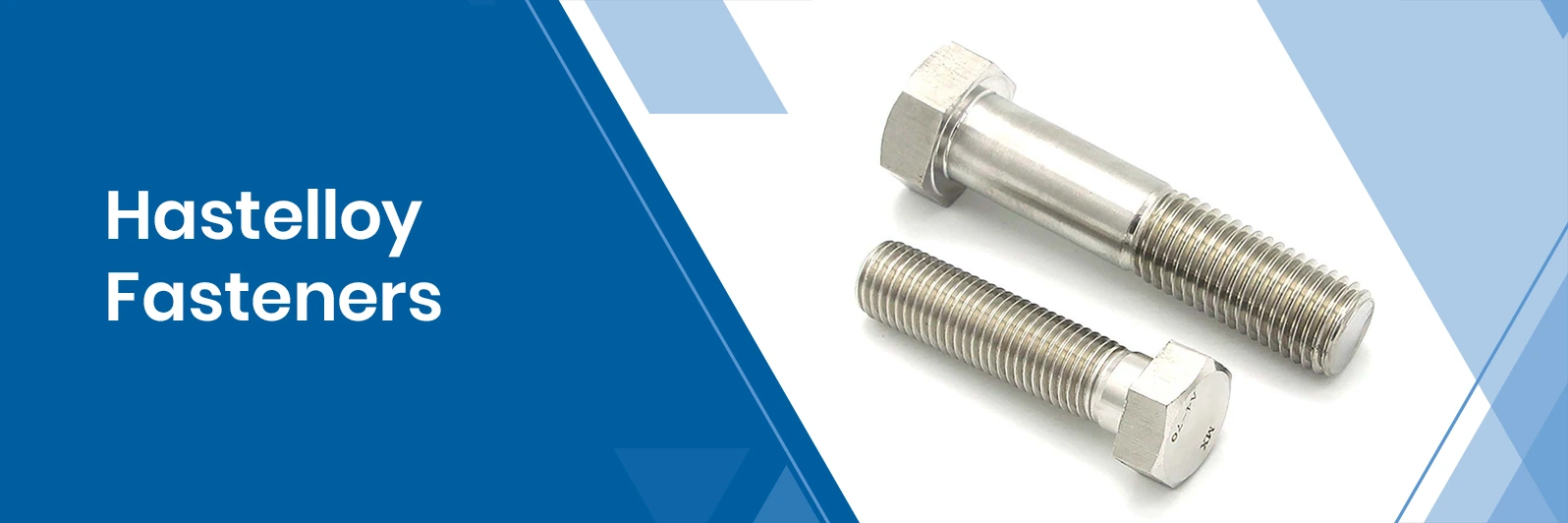
Unifit is a reputable Hastelloy Fasteners Manufacturer in India, which offers nickel alloy fasteners with corrosion resistance that are designed to withstand even the most hostile of industrial conditions. This is due to the fact that our Hastelloy fasteners are extensively selected by chemical processing, pollution control, pharmaceutical, pulp and paper and oil and gas engineers due to their reliable performance in harsh acids, wet chlorine and mixed oxidizing and reducing media. Hastelloy C276 and hastelloy C22, as well as hastelloy B2, have the best resistance against pitting, crevice corrosion, and stress corrosion cracking; thus, they are very suitable for services like hydrochloric acid and oxidizing media, as well as mixed acid systems. Unifit is a leading manufacturer of Hastelloy stud bolts in India.
Unifit is a leading manufacturer of Hastelloy stud bolts in India. Its products are made according to the international standards such as ASTM F467, ASTM F468, ASTM B574, UNS and UNS N10276 and UNS N06022. With a strong supply chain in Mumbai, we also supply to EPC procurement groups with fasteners that are of good quality and resistant to acid. Get to know more about our multi-faceted expertise in Fasteners manufacturing in India.
Request QuoteTable of Contents
- What are Hastelloy Fasteners?
- Hastelloy Grades Comparison
- Corrosion Media Selection Guide
- Types of Hastelloy Fasteners We Supply
- Hastelloy Product Range Matrix
- Specifications & Standards of Hastelloy Fasteners
- Chemical Composition of Hastelloy Fasteners
- Mechanical Properties of Hastelloy Fasteners
- Applications of Hastelloy Fasteners
- FAQs About Hastelloy Fasteners
What are Hastelloy Fasteners?
Hastelloy is a set of nickel based corrosion resistant alloys, mainly made from Ni -Cr-Mo and Ni-Mo types, it is specifically designed to withstand very harsh chemical environments. It is common in corrosion-resistant nickel alloy fasteners, in which stainless steel, Monel, or even Inconel may fail sometimes. UNS N10276 (Hastelloy C276) and UNS N06022 (Hastelloy C22) are great for pitting and crevice corrosion, wet chlorine, and mixed oxidizing-reducing media resistances and are ideal materials to use on chemical processing fasteners and acid-resistant fasteners in India. The good weldability and fabrication performance (grade-dependent) of Hastelloy is also considered important in the ASTM F467 Hastelloy nuts, ASTM F468 Hastelloy bolts, and ASTM B574 Hastelloy material. Use Hastelloy instead of SS, Monel, or Inconel where service environments are characterized by harsh acid conditions, hydrochloric acid, or mixed acid conditions, where service life is vital.
Send Your Enquiry
Hastelloy Grades Comparison
| Grade | UNS | Alloy Family | Nominal Composition Highlights | Best For Media | Key Limitations |
|---|---|---|---|---|---|
| Hastelloy C-276 | N10276 | Ni-Cr-Mo-W | Low C & Si, 16% Mo, 16% Cr | Mixed Acids: Ferric/cupric chlorides, wet chlorine gas, organic acids. | Not recommended for highly oxidizing hot nitric acid. |
| Hastelloy C-22 | N06022 | Ni-Cr-Mo-W | 22% Cr, 13% Mo, 3% W | Strong Oxidizers: Nitric acid, chlorine dioxide, oxidizing acid mixtures. | Slightly lower resistance to pure reducing acids than C-276. |
| Hastelloy C-2000 | N06200 | Ni-Cr-Mo-Cu | 1.6% Copper, 23% Cr, 16% Mo | Versatility: Best for plants with varying/unpredictable chemical media. | Premium cost due to specialized copper/chromium balance. |
| Hastelloy B-2 | N10665 | Ni-Mo | 28% Molybdenum, Low Fe/Cr | Pure Reducing Acids: Pure Hydrochloric (HCl) at all concentrations. | Extreme Warning: Rapidly fails if oxidizing salts or oxygen are present. |
| Hastelloy B-3 | N10675 | Ni-Mo | 28% Mo, Improved thermal stability | HCl Specialist: Same as B-2 but easier to weld/fabricate. | Not suitable for oxidizing environments (e.g., Nitric Acid). |
Corrosion Media Selection Guide
| Process Media | Recommended Grades | Why | Avoid / Caution | Notes |
|---|---|---|---|---|
| Hydrochloric Acid | B-3, B-2 | High Molybdenum specifically resists chloride ion attack. | Avoid: C-series in very high concentrations. Caution: Oxygen in B-family. | B-3 is preferred over B-2 for better thermal stability during welding. |
| Sulfuric Acid | C-276, C-2000 | Excellent resistance across a wide range of temperatures and concentrations. | Caution: B-3 is only for pure $H_2SO_4$ without oxidizers. | C-2000 is the most versatile for varying sulfuric concentrations. |
| Nitric Acid / Strong Oxidizers | C-22, G-30 | High Chromium content maintains a stable protective oxide film. | Avoid: B-3 or B-2 (they will dissolve rapidly). | C-22 is the industry standard for pharmaceutical kill tanks. |
| Wet Chlorine / Hypochlorites | C-276, C-22 | Only alloys capable of resisting the aggressive pitting caused by wet chlorine. | Avoid: All Stainless Steels and standard Nickel alloys. | C-276 is widely used in pulp and paper bleach plants. |
| Mixed Acids (Oxidizing + Reducing) | C-2000, C-22 | Copper and high Chromium/Moly provide a universal protection profile. | Caution: C-276 may struggle if the oxidizing component is too high. | Ideal for multi-purpose chemical batch reactors. |
| Flue Gas Desulfurization (FGD) | C-276 | Resists pitting in acidic, high-chloride slurries found in scrubbers. | Caution: Stainless 316 will fail via stress corrosion cracking (SCC). | Often called Scrubber Grade in the power industry. |
| Seawater / Chlorides | C-276, C-22 | Virtually immune to crevice corrosion and pitting in stagnant seawater. | Note: Usually overkill unless in high-temp or high-pressure systems. | Often used for critical subsea instrumentation fasteners. |
Types of Hastelloy Fasteners We Supply
Hastelloy Bolts
Hex Bolts
Heavy Hex Bolts
Socket Head Cap Screw
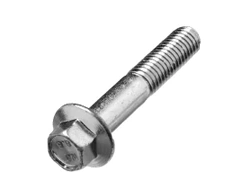
Flange Bolts
Hastelloy Nuts
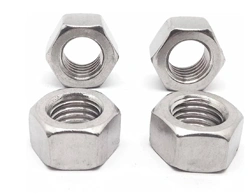
Hex Nuts
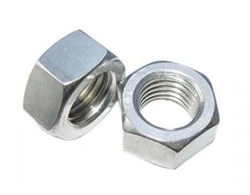
Heavy Hex Nuts UNS N10276
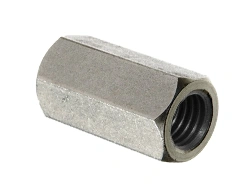
Coupling Nuts
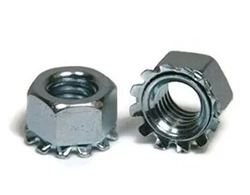
Lock Nuts
Hastelloy Stud Bolts
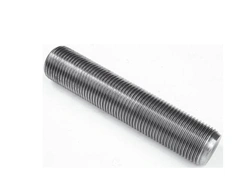
Full Threaded Stud Bolts
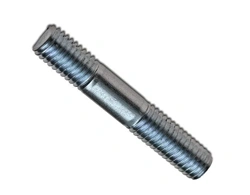
Double Ended Studs
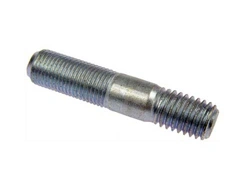
Tap End Stud Bolt
Hastelloy Washers
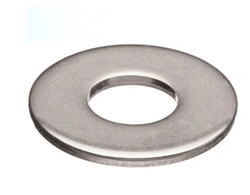
Flat Washers
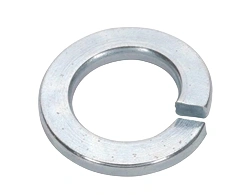
Spring Washers
Hastelloy Screws
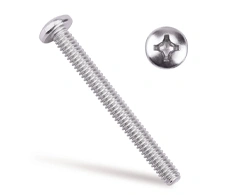
Machine Screw
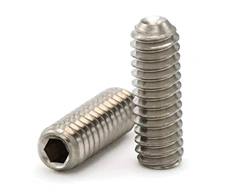
Socket Set Screw
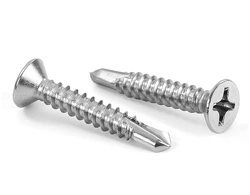
Self Drilling Screw
Hastelloy Product Range Matrix
| Product Type | Available Grades | Size Range | Standards | Finish Options | Common Industries |
|---|---|---|---|---|---|
| Bolts (Hex, Heavy, Flange) | C-276, C-22, C-2000 | M3 – M100 | DIN 931/933, ISO 4014, ASME B18.2.1 | Natural, Passivated, Xylan/PTFE | Petrochemical, Agrochemical, Power Gen. |
| Socket Head Cap Screws | C-276, C-22, B-3 | M3 – M48 | DIN 912, ISO 4762, ASME B18.3 | Natural, Electropolished | Pharmaceutical, Specialty Chemical, R&D. |
| Nuts (Hex, Lock, Coupling) | C-276, C-22, B-3, G-30 | M3 – M100 | DIN 934, ASME B18.2.2, ASTM F467 | Natural, Silver Plated (anti-galling) | Desalination, Marine, Chemical Processing. |
| Stud Bolts (Full/Double End) | C-276, C-22, B-3 | M6 – M100 | ASME B16.5, DIN 976, ASTM A193 (Equiv) | Natural, PTFE Coated | Piping Systems: Flange connections in refineries. |
| Washers (Flat, Spring, Custom) | C-276, C-22, C-4 | M2 – M100 | DIN 125, DIN 127, ASME B18.22.1 | Natural, Hardened | Pollution Control, Waste Treatment. |
| Threaded Rods | C-276, C-22, B-3 | 1m, 2m, 3m (Custom) | DIN 975, DIN 976, ASME B18.31.2 | Natural | Acid Pickling, Heat Exchangers. |
| Screws (Machine, Set, Custom) | C-276, C-22 | M1.6 – M12 ( | DIN 7985, ISO 7380, ASME B18.6.3 | Natural, Anodized | Medical Instruments, Laboratory Gear. |
Specifications & Standards of Hastelloy Fasteners
| Standard | Type | Covers | Typical Use in Fasteners | Notes / Verification |
|---|---|---|---|---|
| ASTM B574 | Material | Ni-Cr-Mo-W Alloy Rod/Bar | Raw stock for machining & threading. | Ensures the base chemistry (Low C/Si) is correct before production. |
| ASTM F468 | Product | Nonferrous Bolts, Cap Screws, & Studs | Finished external threaded fasteners. | Specifies mechanical requirements like tensile and yield strength. |
| ASTM F467 | Product | Nonferrous Nuts for general use | Finished Hex, Heavy Hex, & Lock Nuts. | Defines proof load requirements to prevent thread stripping. |
| ASTM B564 | Material | Nickel Alloy Forgings | Heavy bolts and custom flange blanks. | Essential for large diameters where grain flow is critical for strength. |
| ASTM B575 | Material | Ni-Cr-Mo-W Plate/Sheet | Custom washers and shim stock. | Referenced when stamping large-diameter or custom-profile washers. |
| DIN 933 / 931 | Dimensional | Metric Hex Head Bolts | Sizing for M3 – M100 fasteners. | 933 = Fully Threaded; 931 = Partially Threaded (Shank). |
| ASME B18.2.1 | Dimensional | Inch Series Hex/Square Bolts | Sizing for fasteners. | The primary dimensional standard for North American projects. |
Need Acid-Resistant Fasteners with MTC 3.1?
We supply high-performance acid-resistant fasteners with PMI testing and full EN 10204 3.1 / 3.2 Mill Test Certificates, ensuring complete traceability and compliance for critical applications.
Get Quick QuoteChemical Composition of Hastelloy Fasteners
| Grade | Ni | Cr | Mo | Fe | W | Co | Mn | Si | C | Others |
|---|---|---|---|---|---|---|---|---|---|---|
| Hastelloy C-276 | 57 | 16 | 16 | 5 | 4 | 2.5 | 1.0 | 0.08 | 0.01 | V: 0.35; Cu: 0.5 |
| Hastelloy C-22 | 56 | 22 | 13 | 3 | 3 | 2.5 | 0.5 | 0.08 | 0.01 | V: 0.35; Cu: 0.5 |
| Hastelloy B-2 | 68 | 1.0 | 28 | 2.0 | -- | 1.0 | 1.0 | 0.10 | 0.02 | P: 0.04; S: 0.03 |
Mechanical Properties of Hastelloy Fasteners
| Grade | Condition | Tensile Strength (MPa) | Yield Strength (0.2% Offset) (MPa) | Elongation (%) | Hardness (Rockwell B) |
|---|---|---|---|---|---|
| C-276 | Solution Annealed | 790 | 355 | 40 | 90 HRB |
| C-22 | Solution Annealed | 800 | 360 | 45 | 93 HRB |
| B-2 | Solution Annealed | 825 | 385 | 40 | 94 HRB |
| B-3 | Solution Annealed | 860 | 410 | 40 | 94 HRB |
| C-2000 | Solution Annealed | 745 | 350 | 45 | 90 HRB |
Applications of Hastelloy Fasteners
The Hastelloy Fasteners come with high strength and corrosion resistance, which is why they’re used by many industries, as given below.
- Chemical Processing : Hastelloy fasteners are popularly used in reactors, acid plants, chlorination systems, and scrubbers with frequent exposure to hydrochloric acid, sulfuric acid, wet chlorine and mixed oxidizing and reducing media. Hastelloy C276 and C22 are graded alloy grades with good pitting, crevice corrosion, and stress corrosion cracking resistance, which guarantee the high service life of such equipment in the process.
- Pollution Control / FGD Systems : The wet scrubbers, stacks, and ducting are subject to a very corrosive environment that contains chlorides and acidic condensates in flue gas desulfurization (FGD) systems. Hastelloy screws have been mostly used in these applications because they are able to remain in the mechanical and corrosive conditions characterized by constant wet and acidic conditions.
- Pharmaceutical and Specialty Chemicals : In the case of pharma and specialty chemical plants, Hastelloy fasteners are a good choice as they provide both high corrosion resistance and cleanliness, and therefore are applicable in reactors and process equipment where a high level of contamination is a major concern. Surface finish and adequate fabrication will further promote appropriateness for hygienic use.
- Pulp and Paper (Pulp Chemicals) : The bleaching process entails the use of chloride environments and harsh chemicals like chlorine dioxide. Hastelloy fasteners are applied in digesters, washers, and bleaching units in order to provide resistance to localized corrosion and extend the life of equipment.
- Oil and Gas / sour/offshore chemicals : Presence of chlorides, process chemicals, and the harsh operating conditions in the oil & gas applications, particularly sour service and offshore chemical handling, requires more selective alloys. The Hastelloy fasteners provide dependable performance where regular alloys might fail.
Industry–Grade Selection Guide of Hastelloy Fasteners
| Industry | Typical Media | Recommended Grades | Why | Alternatives | Products |
|---|---|---|---|---|---|
| Pharmaceuticals | Nitric acid, cleaning agents, organic solvents. | C-22, C-2000 | Highest resistance to oxidizing kill-tank environments. | Stainless 316L (limited) | Reactor bolts, agitator screws, clamp fasteners. |
| Pulp & Paper | Chlorine dioxide, bleach solutions, sulfates. | C-276 | Resists pitting and SCC in aggressive bleach plant environments. | Titanium Grade 2 | Bleach tower studs, washer fasteners, pump bolts. |
| Chemical Processing | Hydrochloric and sulfuric acids. | B-3, C-276 | B-3 is the specialist for pure; C-276 for mixed waste streams. | Tantalum (extreme cost) | Heat exchanger studs, piping flange bolts. |
| Oil & Gas (Downhole) | Sour gas chlorides, high temp. | C-276, C-4 | Immune to hydrogen-induced stress cracking in sour wells. | Inconel 718, MP35N | Valve components, packer fasteners, sensor housings. |
| Power Generation (FGD) | Flue gas slurries, sulfur dioxide, fly ash. | C-276 | Specifically handles scrubber chemistry where chlorides are concentrated. | Duplex 2205 (limited) | Scrubber lining bolts, ducting fasteners, nozzle studs. |
| Waste Treatment | Mixed hazardous waste, acidic runoff. | C-2000 | The universal grade for unknown or fluctuating chemical inputs. | Hastelloy C-276 | Incinerator bolts, tank anchoring, sludge pump studs. |
Hastelloy vs Other Materials
Hastelloy vs Stainless Steel
Stainless steel fasteners are commonly used for general corrosion protection and have cost-efficient industrial applications. Nevertheless, in the cases of service conditions with severe acids, wet chlorine or mixed oxidizing and reducing media, Hastelloy fasteners are used because their pitting and crevice corrosion, as well as stress corrosion cracking resistance, are better. Where grade stainless steel might fail too soon, Hastelloy offers long-term services.
Hastelloy vs Inconel
The use of Inconel fasteners is mostly used in positions that need high-temperature strength, as well as resistance to oxidation, like furnaces and gas turbines. On the other hand, Hastelloy fasteners are designed to be resistant to acid corrosion and are therefore more applicable in chemical processing and in aggressive media. This selection is based on temperature or corrosion being the service condition of preeminence.
Hastelloy vs Monel
Monel bolts will also be used effectively in seawater and in certain conditions in hydrofluoric acid, and are therefore a niche marine alloy. Depending on the grade of Hastelloy fasteners, they provide a wider range of versatility, particularly in mixed acid systems, and in environments involving both oxidizing and reducing environments. This renders Hastelloy more adaptable in complicated chemical exposures.
Common Challenges with Nickel Alloy (Hastelloy) Fasteners
There are many challenges present that many manufacturers ignore while making these fasteners, and some of the common challenges are given below.
Galling / Seizing
An issue with nickel alloy and Hastelloy fasteners is galling, particularly when installing under high load or in dry environments. This may cause thread seizing and damage to fasteners. Anti-seize compounds, controlled values of the torque and a slower rate of tightening should be used to mitigate the risk. Surface treatments like PTFL (Teflon) coating also reduce friction and enhance the reliability of assembly.
Crevice Corrosion / Deposits
Even though Hastelloy has a good corrosion-resistant behavior, in stagnant regions, crevices corrosion or deposits may occur due to the accumulation of process chemicals or contaminants. The correct design of joints, minimizing tight crevices, and frequent cleaning and inspection are also means of long-term performance, particularly in chloride-or-acid-contaminated environments.
Wrong-Grade Failures
The use of the wrong grade of Hastelloy in the service environment is one of the most serious reasons for failure. The grades react differently in either oxidizing media or reducing media or both. Grade verification is a critical decision criterion because to avoid expensive mix-ups, Positive Material Identification (PMI) should be strictly followed, full traceability of heat-numbers and material should be certified- this necessitates grade verification, especially during engineers and procurement level.
Manufacturing Process of Hastelloy Fasteners
The step-by-step procedure given below explains how high-quality Hastelloy fasteners are made.
- Raw Material Sourcing: Hastelloy raw material is sourced through certified nickel alloy mills and therefore, the right grade, chemical composition, and complete heat traceability. Production is done by checking the incoming materials using inspection and PMI.
- Forging / Cold Heading: Then the material is either hot forged or cold headed, depending on the size and design of fasteners so as to obtain the necessary shape, strength, and grain structure that is suitable in harsh corrosive environments.
- Machining: Machining is another process that is performed under the control of parameters since Hastelloy is a work-hardening nickel alloy. It is imperative that proper tooling, speed, and cooling are used to ensure that it does not gall and retain the integrity of the surface.
- Threading: Threads are made through thread rolling or thread cutting and they are chosen according to their diameter, load demands and their standards to maintain their dimensional consistency and performance.
- Heat Treatment: Controlled heat treatment is done where both the corrosion resistance and necessary mechanical properties are required, without losing either.
- Cleaning / Passivation: Good cleaning and passivation are done to eliminate the contamination and increase the corrosion resistance, particularly where chemical services are to be used.
- Final Inspection & Packaging: Every batch is finally inspected, marked, documented and packed in an export grade to be distributed safely to all parts of the world without violating international standards.
Quality Assurance & Testing
The quality assurance and other testing are important to know about the strength and corrosion resistance of the hastelloy fasteners. All the methods and testing that we apply are given below.
- PMI Verification: Positive Material Identification (PMI) is done to verify accurate Hastelloy grade and chemical composition. This eliminates any chance of material traceability and eliminates mix-ups of grades in vital service applications.
- Dimensional Inspection: Dimensional inspection is done by use of calibrated measuring instruments to measure the diameter, length, tolerance and overall perfection with the specified values to ensure that the fit and assembly is correct.
- Mechanical Testing: Mechanical tests like proof load, tensile strength and hardness testing are done under the ordered specification to confirm the strength and performance of the fastener under the service load.
- Thread Gauging (GO / NO-GO): The precision of threads is verified by GO and NO-GO gauges to verify the correct pitch, class and engagement so as to ensure stable installation and load bearing capacity.
- Third-Party Inspection: In cases where it is needed, the third-party inspection is provided by certified agencies to give external quality and compliance checks.
- Certification: Every supply comes with full documentation of its quality, with EN 10204 3.1 or 3.2 certificates where necessary, to provide transparency, traceability and confidence where needed in the most demanding industrial purposes.
Size Range & Availability of Hastelloy Fasteners
| Size (Nominal) | Length Range | Grade | Thread Type | Availability | Notes |
|---|---|---|---|---|---|
| M8 – M16 | 20 -100mm | C-276 | Metric Coarse | Immediate | High stock for general equipment assembly. |
| M20 – M36 | 50–250 mm | C-276 | Metric Coarse | 2–4 Days | Common for mid-sized chemical reactors. |
| 1/2 – 7/8 | 2–8 | C-276 | UNC / 8-UN | Immediate | Standard sizes for ANSI/ASME B16.5 flanges. |
| 1 – 2 | 4–12 | C-276 / C-22 | 8-UN | 5–7 Days | Used in high-pressure piping manifolds. |
| M42 – M64 | Custom | C-276 / B-3 | Per Spec | 10–15 Days | Often requires hot forging for large diameters. |
| 2.1/4 – 4 | Custom | Any Grade | Per Spec | 3–4 Weeks | Large-scale custom infrastructure projects. |
Why Choose Unifit Fastener for Hastelloy?
Unifit Fasteners specializes in providing the Hastelloy and other exotic nickel alloys, which offer reliable solutions to industries that require a highly corrosive or demanding environment. Each batch is subjected to Positive Material Identification (PMI) testing as per stringent QA plans to make sure that the batch is of the right grade and is completely traceable. We provide specialized production with the use of drawings or a specifications list, producing one-of-a-kind project orders with accuracy. With a fast turnaround for shutdowns or critical spares, clients can rely on timely delivery. Export-grade packing is done on all its fasteners, and the staff does the technical selection support of severe acids, wet chlorine, and mixed media. Extensive documentation, such as MTC 3.1 or 3.2 certificates, is provided where necessary.
Get Your Hastelloy Fasteners Quote Today!FAQs About Hastelloy Fasteners
Difference between Hastelloy C-276 and C-22?
The C-22 has higher chromium and molybdenum, providing better resistance to strong oxidizing environments, while C-276 is more versatile for mixed acid applications.
Which Hastelloy grade is best for hydrochloric acid?
The most suitable grade is B-2, which is suitable for reducing acids like HCl, but it is not recommended for oxidizing media; caution is needed in mixed acid environments.
Can Hastelloy fasteners be used in wet chlorine/hypochlorite?
Yes, in most of the wet chlorine and hypochlorite environments, typically C-22 or C-276 fasteners are preferred for these environments.
Are Hastelloy fasteners magnetic?
No, Hastelloy Fasteners are non-magnetic in nature.
How do I prevent galling in nickel alloy fasteners?
With the use of different methods like anti-seize compounds, controlled torque, slower tightening, or PTFE coatings.
What standards apply to Hastelloy bolts/nuts?
The two most common standards for hastelloy bolts/nuts are ASTM F467 (nuts) and ASTM F468 (bolts).
Do you provide NACE / ISO 15156 documentation?
Yes, we provide NACE / ISO 15156 documentation only if specifically requested and applicable.
What is the lead time for custom Hastelloy studs?
The time required to create custom hastelloy studs is between 2-8 weeks and sometimes more, depending on size and quantity; typically 2–6 weeks.
Do you provide third-party inspection?
Yes, we send every product for third-party inspection, available upon request.
What documents are included with supply?
All of our products come with an MTC, full traceability, PMI reports, and certificates (EN 10204 3.1/3.2 where applicable).