In seawater, desalination and chloride-rich process systems, the fastener can become the corrosion weak point even when the surrounding equipment is built from high-alloy stainless steel. ASTM A193 Grade B8MLCuN addresses that problem with a high-molybdenum austenitic stainless bolting grade based on UNS S31254. Its approximately 6% molybdenum, together with chromium, nickel, copper and nitrogen, gives the alloy significantly stronger resistance to pitting and crevice corrosion than conventional 316-based B8M in suitable service conditions.
Unifit Fastener manufactures and supplies ASTM A193 B8MLCuN bolts, stud bolts and threaded bolting in India for offshore, marine, desalination, chemical-processing, pulp-and-paper and other corrosive process applications. For the full ASTM family, see ASTM A193 grades and specifications. For general 6Mo material enquiries outside the ASTM A193 bolting specification, see our SMO 254 fasteners page.
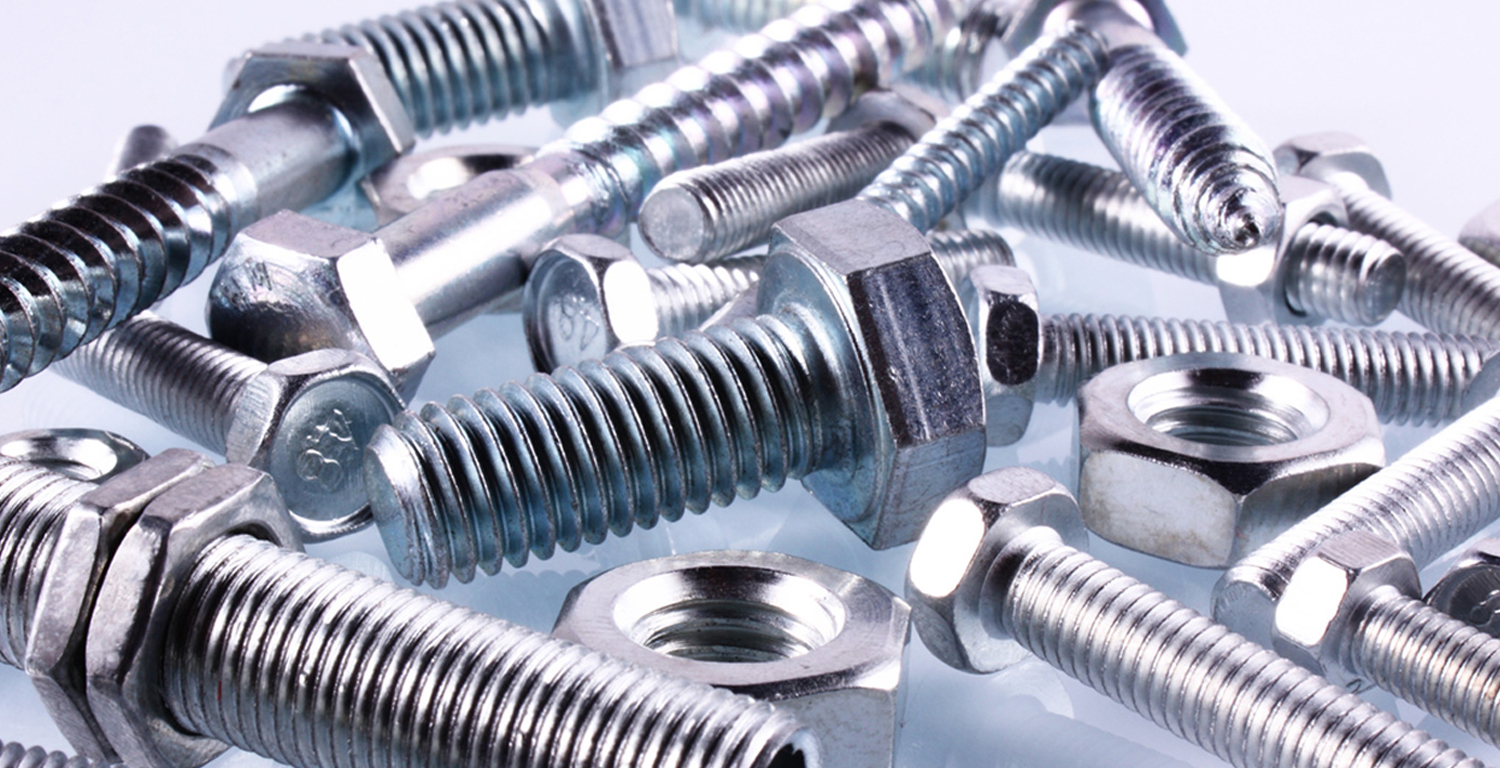
ASTM A193 B8MLCuN Fasteners

ASTM A193 Grade B8MLCuN Fasteners
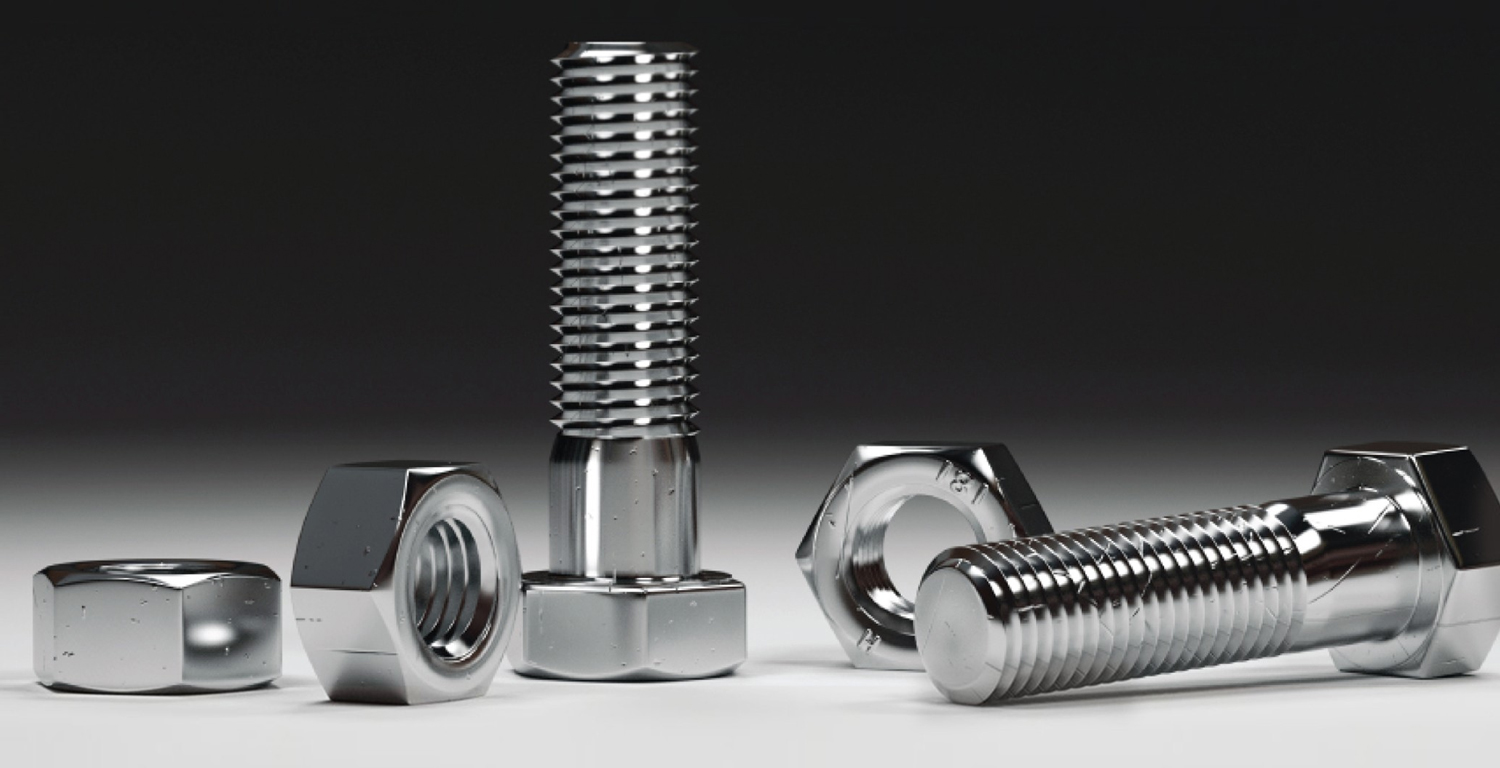
Stainless Steel ASTM A193 B8MLCuN Fasteners
Why B8MLCuN Is Different from Standard B8M
The name can be confusing because B8MLCuN contains "B8M", but it is not simply another 316 fastener. Standard ASTM A193 B8M is based on 316 stainless steel with roughly 2-3% molybdenum. B8MLCuN is based on UNS S31254, a super-austenitic 6Mo stainless steel with substantially higher molybdenum and nickel plus deliberate copper and nitrogen additions.
That chemistry matters where localized corrosion controls the bolting choice. In chloride-bearing water, seawater splash, brines, bleach environments and aggressive process streams, pitting or crevice attack may become more important than general atmospheric corrosion. B8MLCuN is therefore selected when the project requires the ASTM A193 bolting specification together with the corrosion-resistance profile of UNS S31254.
For ordinary 316-based ASTM A193 bolting, use the separate ASTM A193 B8M fasteners page rather than treating the two grades as interchangeable.
Technical Data
ASTM A193 B8MLCuN Product Forms
The grade identifies the bolting material and required condition; the purchase order still needs to define the product form, dimensions, thread and matching components. Unifit can review the following industrial forms:
|
Product form |
Typical use |
Specify on RFQ |
|---|---|---|
|
Stud bolts |
Flanged piping, valves, pressure equipment and corrosive process joints |
Diameter, length, UNC/UNF or metric thread, class/fit, nut grade and finish |
|
Heavy hex / hex bolts |
Equipment, valve and flange assemblies where headed bolting is specified |
Diameter, length, dimensional standard, thread, class/condition and surface finish |
|
Threaded studs / rods |
Custom lengths and maintenance bolting |
Diameter, overall length, thread series/pitch and end configuration |
|
Drawing-based special bolting |
Non-standard dimensions or project-specific assemblies |
Latest drawing revision, tolerances, class/condition, mating components and inspection plan |
Use the main industrial bolts and stud bolts pages for general product-form information. This page remains focused on B8MLCuN material and specification requirements.
ASTM A193 B8MLCuN Chemical Composition
B8MLCuN is tied to UNS S31254 chemistry. The draft values below follow recent publicly accessible ASTM A193 technical data and must be checked against ASTM A193/A193M-26 or the edition named on the customer purchase order before publication.
|
Element |
Draft composition limit, % |
|---|---|
|
Carbon (C) |
0.020 max |
|
Manganese (Mn) |
1.00 max |
|
Phosphorus (P) |
0.030 max |
|
Sulfur (S) |
0.010 max |
|
Silicon (Si) |
0.80 max |
|
Chromium (Cr) |
19.5-20.5 |
|
Nickel (Ni) |
17.5-18.5 |
|
Molybdenum (Mo) |
6.0-6.5 |
|
Copper (Cu) |
0.50-1.00 |
|
Nitrogen (N) |
0.18-0.25* |
*The existing Unifit page shows nitrogen 0.18-0.22%. A recent public ASTM A193 table showed 0.18-0.25%. The active A193/A193M-26 edition must be the final check before upload.
B8MLCuN Classes, Heat Treatment and Mechanical Properties
ASTM A193 austenitic stainless grades can be supplied in different treatment classes. For B8MLCuN, the project must state the required class/condition because solution treatment and strain hardening change the mechanical properties and can affect the available size range. Do not publish the page as though Class 2 is the only B8MLCuN condition.
For Class 2, the material is carbide solution treated and strain hardened. The current Unifit page lists the following metric minimum properties. Keep these values only after the technical reviewer confirms them against the active ASTM edition:
|
Class 2 diameter |
Min tensile |
Min yield |
Elong. % |
RA % |
Hardness max |
|---|---|---|---|---|---|
|
M20 and under |
760 MPa |
655 MPa |
15 |
45 |
321 HBW / 35 HRC max |
|
Over M20 to M24, incl. |
690 MPa |
550 MPa |
20 |
45 |
321 HBW / 35 HRC max |
|
Over M24 to M30, incl. |
655 MPa |
450 MPa |
25 |
45 |
321 HBW / 35 HRC max |
|
Over M30 to M36, incl. |
620 MPa |
345 MPa |
30 |
45 |
321 HBW / 35 HRC max |
|
Class selection note |
ASTM A193 B8MLCuN vs B8M vs 904L
This comparison is the main cannibalisation-control section. It helps the buyer choose the correct page and gives Google a clear reason for each grade URL to exist.
|
Grade / page |
Base material |
Mo level |
Selection logic |
SEO owner |
|---|---|---|---|---|
|
ASTM A193 B8M |
316 / UNS S31600 |
About 2-3% Mo |
General corrosion-resistant A193 bolting where 316 chemistry is specified |
Use B8M page |
|
ASTM A193 B8MLCuN |
UNS S31254 / 6Mo |
About 6-6.5% Mo + Cu + N |
More aggressive chloride, pitting and crevice-corrosion service where the project specifies B8MLCuN |
THIS PAGE |
|
904L fasteners |
UNS N08904 |
About 4-5% Mo + Cu |
High-alloy austenitic stainless material intent, often selected for acid/corrosion service depending on environment |
Use 904L page |
Related material pages: ASTM A193 B8M fasteners | SMO 254 fasteners | 904L fasteners
Matching Nuts and Related Standards
ASTM A193 specifies the bolting material; it does not make the matching nut an A193 product. Where the assembly specification requires a compositionally compatible high-alloy stainless nut, ASTM A194 Grade 8MLCuN or 8MLCuNA may be specified. The exact nut grade, class/condition, dimensions and proof requirements must be checked with the project specification.
|
Reference |
Role in the purchase specification |
|---|---|
|
ASTM A193/A193M |
B8MLCuN bolting material and mechanical requirements |
|
ASTM A194/A194M |
Matching high-pressure/high-temperature nuts; confirm 8MLCuN/8MLCuNA pairing where specified |
|
ASTM A962/A962M |
Common bolting requirements used with A193/A194 families |
|
ASME B18 / ISO / DIN |
Dimensional/product standards as applicable to bolts, studs and nuts |
|
ASME B16.5 / B16.47 |
Flange context where stud-bolt length/diameter is driven by the flange assembly |
For the nut specification family, see ASTM A194.
ASTM A193 B8MLCuN RFQ Checklist
|
RFQ field |
What to send |
|---|---|
|
Grade / class |
ASTM A193 B8MLCuN plus required class/condition and project-specified ASTM edition |
|
Product form |
Stud bolt, hex/heavy hex bolt, threaded stud/rod or drawing-based component |
|
Size |
Diameter, overall length and any unthreaded shank requirement |
|
Thread |
UNC / UNF / metric, pitch/TPI and class/fit |
|
Dimension standard |
ASME / ISO / DIN or project drawing |
|
Matching components |
ASTM A194 nut grade, washers and quantity per assembly |
|
Service environment |
Seawater/chloride, process chemical, concentration, temperature and other material-selection constraints |
|
Quantity / delivery |
Project quantity, destination and required date |
|
Inspection / docs |
MTC, PMI, hardness/mechanical tests, TPI, marking or project ITP |
|
Final CTA |
Send Your Enquiry
Where ASTM A193 B8MLCuN Is Considered
B8MLCuN is most useful when the corrosion mechanism is clearly defined. It should not be selected from a generic industry list alone. Typical project environments include:
- Seawater and marine systems - flange, valve and equipment bolting exposed to chloride-rich water or salt-laden environments.
- Desalination and water-treatment equipment - bolted joints around pumps, piping, pressure vessels, heat exchangers and process skids where pitting/crevice corrosion is a concern.
- Chemical processing - chloride-bearing, acidic or mixed process environments where 316-based bolting may not provide enough localized-corrosion resistance.
- Pulp and paper / bleaching systems - high-chloride and chemically aggressive service where high-molybdenum stainless materials may be specified.
- Offshore oil and gas equipment - topside or marine-exposed bolting where material compatibility and chloride resistance are part of the project specification.
- Heat exchangers, valves and pumps - equipment joints where the mating materials and process media call for UNS S31254 bolting.
Actual suitability depends on media concentration, temperature, crevice geometry, galvanic pairing, pressure, stress, class/condition and the governing design code. Unifit should avoid publishing a single universal service-temperature or corrosion limit for the grade.
Inspection, Traceability and Documentation
For high-alloy B8MLCuN bolting, material identity is a key part of trust. The RFQ and purchase order should state the documentation and inspection scope rather than assuming every test is included by default.
- Heat / lot traceability linked to the material certificate and finished fastener batch.
- Chemical analysis confirming the ordered UNS S31254 / B8MLCuN chemistry.
- Mechanical testing for the specified class/diameter, including tensile/yield/elongation/hardness where required.
- PMI where the project requires positive material identification of the high-alloy grade.
- Dimensional and thread inspection against the purchase standard or drawing.
- EN 10204 3.1 MTC / inspection certificate where required by the order. Present this as an inspection document, not a company certification.
- Third-party inspection or project ITP requirements where applicable.
Get Your ASTM A193 B8MLCuN Fastener Quotation in 24 Hours
Frequently Asked Questions About ASTM A193 B8MLCuN
What material is ASTM A193 B8MLCuN?
ASTM A193 B8MLCuN is an austenitic stainless bolting grade based on UNS S31254, a high-molybdenum stainless steel containing chromium, nickel, molybdenum, copper and nitrogen. It is commonly associated with 6Mo / 254 SMO-type material chemistry.
Is B8MLCuN the same as ASTM A193 B8M?
No. B8M is based on 316 stainless steel, while B8MLCuN uses UNS S31254 with substantially more molybdenum plus copper and nitrogen. B8MLCuN is used when the project requires greater localized-corrosion resistance than conventional 316/B8M can provide.
Is ASTM A193 B8MLCuN the same as SMO 254 fasteners?
They refer to closely related material chemistry, but the search intent is different. SMO 254 / UNS S31254 describes the material family. ASTM A193 B8MLCuN defines bolting supplied to the A193 grade, class/condition and mechanical requirements. A generic SMO 254 fastener does not automatically satisfy an ASTM A193 B8MLCuN purchase order.
What is B8MLCuN Class 2?
Class 2 B8MLCuN is carbide solution treated and strain hardened to achieve higher mechanical strength. The applicable size range and mechanical requirements must be checked against the ASTM edition specified by the project.
Which nut is used with ASTM A193 B8MLCuN stud bolts?
Where specified, ASTM A194 Grade 8MLCuN or 8MLCuNA may be used as the matching high-alloy stainless nut grade. The final pairing depends on the project specification, class/condition, dimensions and service environment.
Where is B8MLCuN used instead of B8M?
It is considered when chloride pitting, crevice corrosion or aggressive process media require higher corrosion resistance than 316-based B8M. Typical examples include seawater, desalination, offshore, chemical-processing and pulp/bleach systems, subject to the actual design conditions.
What should I send for a B8MLCuN quotation?
Send the ASTM grade and class, product form, diameter, length, thread, dimensional standard or drawing, matching nut/washer requirement, service environment, quantity, delivery location and required MTC/PMI/inspection documentation.